

Last updated on November 5th 2024
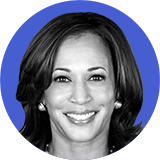
↑ 6 since yesterday ↑ 12 in past 7 days

↓ 6 since yesterday ↓ 12 in past 7 days
270 electoral votes to win
Likely range
Median
*The number of simulations each candidate wins approximates their chance of winning the election
Daily update
Kamala Harris moved into a narrow lead in our final update, with her chance of winning rising from 50% to 56%. With no time left before the election, our model reacts sharply to the latest data. AtlasIntel published 13 polls with better numbers for her than its Trump-friendly norm, and she led on average in new surveys of Michigan, Pennsylvania and Wisconsin. A poll by faculty and students at Dartmouth College also gave her a remarkable 28-percentage-point lead in New Hampshire.
Already have an account?Log in
Continue with a free trial
Explore all our independent journalism for free
Or continue reading this article
Methodology
The Economist’s model of America’s presidential election estimates each major candidate’s chances of winning each state and the overall electoral college. Developed with a team of scholars at Columbia University, the forecast combines national and state-level polls with fundamental data about the state of the economy, historical voting patterns and the demographics of each state to predict the likelihood of various outcomes of the race.
The model does this by constructing thousands of scenarios, each one containing different vote shares in each state and different values for the impact of polling biases and other characteristics. The model is more likely to generate scenarios that are closer to matching the polls and fundamental data it has been given. The win probabilities presented here represent the share of these scenarios won by each candidate.
We made some small methodological adjustments when we relaunched our model on August 15th with Kamala Harris as the Democratic nominee, involving the treatment of likely-voter screens and partisan sponsorship in polls and the estimated accuracy of the fundamentals forecast. To maintain consistency, we reran this version of the model for the historical race between Donald Trump and Joe Biden. As a result, the probabilities listed here for those candidates in June and July differ slightly from the figures we published during those months.
For more details on exactly how the model accomplishes this and the thinking behind its design, read the full methodology.
Sources: American National Election Studies; Cooperative Congressional Election Study; FiveThirtyEight; Gallup; MIT Election and Data Science Lab; US Bureau of Economic Analysis; US Census Bureau; 270towin.com; YouGov
Forecast by The Economist with Andrew Gelman and colleagues at Columbia University