Audio
Listen to the article
- A short US-Iran peace memo trades money for nuclear restraint: immediate oil exports, tens of billions in unfrozen assets, sanctions relief and a fund of at least $300bn.
- The deal drops regime change, missile limits and curbs on proxies, reopens the Strait of Hormuz with a possible fee after 60 days, and foresees US troops departing within 30 days.
- Iran may trade nukes for cash, but hardliners distrust Washington, expect Israeli sabotage and value nuclear prestige — leaving Israel sidelined and Gulf states to rethink security.
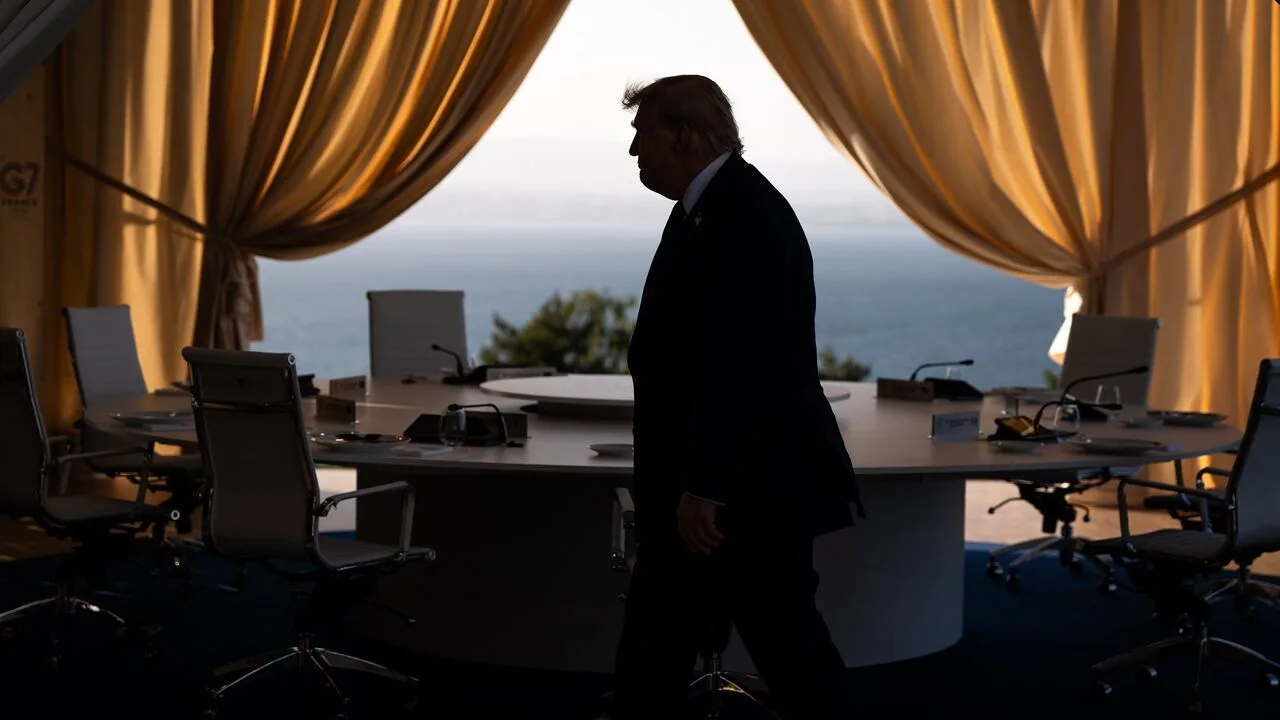
Having failed to defeat Iran with bombs, can President Donald Trump salvage something with bribes? After weeks of haggling over how to end the war, he and his Iranian counterpart have signed a short peace memo that promises Tehran lots of money in exchange for satisfying Mr Trump that it has abandoned any plans for a nuclear weapon. It is a huge and unlikely gamble — and it leaves the Middle East with hard choices.
The peace deal is all carrot and no stick
The memo ditches many of Mr Trump’s war aims. There will be no regime change, no succour for Iran’s oppressed people, and no limits on Iran’s ballistic missiles or its support of proxies. Instead the deal focuses on two things.
The first is reopening the Strait of Hormuz, where the limits of Mr Trump’s war and the scale of his climbdown are laid bare. Before the fighting, vessels had free passage; after the 60 days in this deal, they may well have to pay a fee.
What Iran gives — and what it gets — on the nuclear programme
The second focus is the nuclear programme. The regime has given up almost nothing. Its promise not to get a bomb is old. It will down-blend its stocks of enriched uranium and discuss the rest of its programme, but the issues are complex and Iran is masterful at stringing things along.
And then there are the bribes. Iran can immediately export oil and derivatives. Depending on the talks’ progress, America will unfreeze assets worth tens of billions of dollars, lift sanctions and help create a fund of at least $300bn for reconstruction and development. Mr Trump is tired of war. If, as planned, American troops depart within 30 days, his ability to use force will be limited.

Why Tehran might take the cash — and why it might not
The regime thus has an unprecedented opportunity to trade nukes for cash and investment. Unlike previous presidents, Mr Trump doesn’t care about democracy. Having weaponised the strait, Iran may now see less value in nuclear bombs. The regime is unpopular at home: it could use the money.
Yet there are many reasons to think this gamble will fail. Iran’s hardline leaders have no reason to trust America. They will expect Israel to sabotage the deal. The regional influence they crave comes from being the foe of the Great Satan. The nuclear programme offers prestige and, potentially, protection. Inspectors will struggle to stop them cheating. Iran’s leaders will be tempted to have their yellow cake and eat it.
Israel sidelined: a strategic failure
Israel argued for this war, but it has turned out a bitter disappointment. It fought shoulder to shoulder with the Americans only for Mr Trump to cut it out of the negotiations and undermine its campaign against Hizbullah in Lebanon. That could cost its prime minister, Binyamin Netanyahu, re-election in October.
The war was a strategic failure, because Iran remains a threat. Mr Netanyahu tested how far America was prepared to go, and it was not far enough for Israel to prevail. Any successor will need to devise a new security doctrine.
What the gamble means for the Gulf
The Gulf countries need to restore their reputations as havens of prosperity in a violent neighbourhood. Prepare for some wishful thinking, but the fact is that Iranian drones and missiles will continue to pose a threat. Pipelines that bypass the Strait of Hormuz will help. But the Gulf also needs to overhaul its security.
Nobody can be sure how willingly America will fight in the future. Some states will look for ways to deter Iran — the United Arab Emirates could seek even closer ties with Israel. Others may attempt to accommodate it. Still others may steer between the two.
Mr Trump should never have begun this war. Once again, he is basing his way out of it on the idea that people will do anything for money.
GlobeBriefly · Leaders
However, the first rule of diplomacy is not to imagine that your opponent thinks as you do.
KEEP THE CONVERSATION GOING
A good story is worth sharing.
Send this story to someone who values the bigger picture.
See more from GlobeBriefly on Google
Choose us as a preferred source in your Google preferences.