Audio
Listen to the article
- Seven Latin American elections in about twelve months all went to the right — a swing unmatched for speed, with only Brazil and Mexico as large exceptions.
- Closeness to Washington can bring tariff relief, a $20bn lifeline for Argentina, and new military cooperation from Venezuela to the Andes.
- The Bukele model of mass incarceration without trial worked on extortion gangs but translates poorly to the cocaine trade — and has cost El Salvador investment and civil liberties.
BOGOTÁ
Within a span of barely twelve months, seven Latin American nations have gone to the polls — and in every contest the right-wing candidate won. Latin America’s Orange Wave, the Trump-style turn to right-wing populism, has never swung with such speed. Apart from Brazil and Mexico, virtually every sizeable country in the region now has a leader who either courts Donald Trump or echoes his rhetoric.
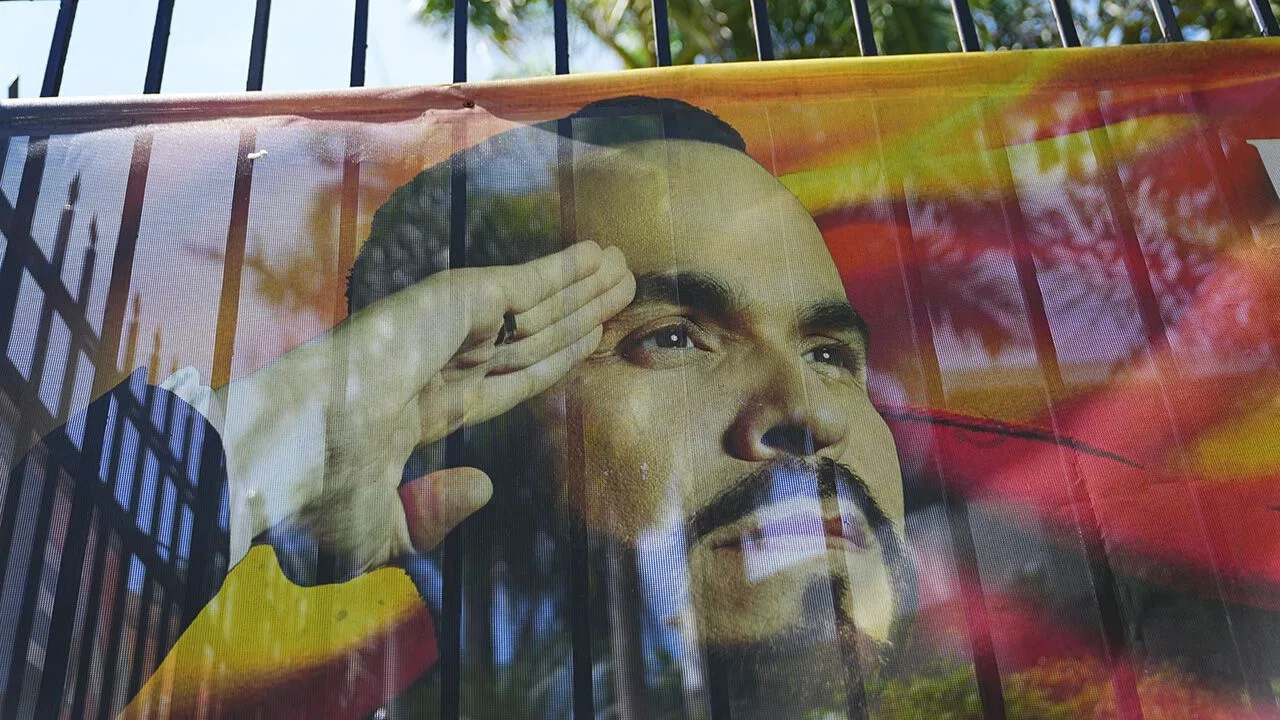
A campaign banner of Abelardo de la Espriella hangs outside his party’s headquarters.
The newest addition is Abelardo de la Espriella, formally declared president-elect of Colombia on June 24th after a razor-thin race. He styles himself El Tigre and vows to “hunt down” gangsters “in their burrows.”
A rapid tilt to the right
The regional pendulum has moved fast because voters are fed up with gangs and illegal migration. Centrists and leftists have failed to soothe those anxieties. Right-wing populists offer tough-sounding remedies, and the logic is mimetic: if Mr Trump can mass-deport migrants, they reason, why can’t they? If he can blow up drug boats, why shouldn’t they be ruthless too?
Such messages resonate. And imitating Mr Trump tends to win his approval, since flattery through imitation delights him.
The economic dividend of being close to Washington
On economic matters, warm relations with the White House are clearly advantageous. The region depends on trade with the United States. Allies may escape the harshest tariffs and sometimes receive direct assistance.
Argentina’s painful but essential economic reforms might have collapsed had they not been championed by a pro-Trump president, Javier Milei. The US Treasury extended him a $20bn credit line to stave off a currency crisis.
Military cooperation and the war on drugs
Military cooperation also offers upside. Since Mr Trump replaced Venezuela’s dictator with his more pliable deputy, American forces have helped their Venezuelan counterparts recapture gold mines previously controlled by criminal gangs.
The Andean governments that produce and export most of the world’s cocaine — Bolivia, Colombia, Ecuador and Peru — are ideologically closer to the United States than at any time since the 1970s. All are either exploring military collaboration with Uncle Sam or already engaged in it.
The Bukele model: why El Salvador is the exception
The belief that gangs can be defeated has taken hold. Nayib Bukele, El Salvador’s president, has imprisoned legions of suspects without trial and transformed his country from a murder capital into a place as safe as Canada. If he can do it, surely similar tactics will work elsewhere? If the Trumpists are right, and a combination of military force, mega-prisons and pan-American teamwork can win the war on drugs, voters will cheer.
Yet there are reasons for doubt. El Salvador’s success is atypical. Its gangsters relied on extortion, not drug-smuggling. Their victims were eager to inform on them once it became clear that a single anonymous phone call was enough to get any suspect locked up indefinitely.
The drugs business is different. Cocaine buyers want to buy cocaine. If governments succeed in constricting supply, the price tends to rise, increasing the incentive for new producers to find new smuggling routes. This is why Mr Trump’s campaign of bombing drug boats has had no detectable effect on drug availability in the United States.
The cost to civil liberties and investment
For some leaders, that may not matter much. By showing enthusiasm for the fight against gangs, they can appear strong to voters and stay on Mr Trump’s good side. For others, such as Mr Bukele, the fight has provided an excuse to suspend civil liberties. Dissidents, knowing they can easily be locked up, tend to shut up or flee.
Investors, whom you might think would be attracted to El Salvador’s newly peaceful streets, are instead repelled by the absence of the rule of law. Since Mr Bukele came to power in 2019, his country has attracted less investment, relative to the size of its economy, than any in Central America.
Security gains that depend on suspending due process tend to deter the long-term investment needed to sustain them.
Don’t sweep away the institutions
Mr Bukele’s imitators claim they can be equally tough, but voters may discover that right-wing populism brings big risks. It is useful to be friends with the giant in the north, but democratic institutions matter more, and last longer, than any American president.
Don’t let the Orange Wave sweep them away. ■
KEEP THE CONVERSATION GOING
A good story is worth sharing.
Send this story to someone who values the bigger picture.
See more from GlobeBriefly on Google
Choose us as a preferred source in your Google preferences.