Audio
Listen to the article
With better government, it could become a business hub once again
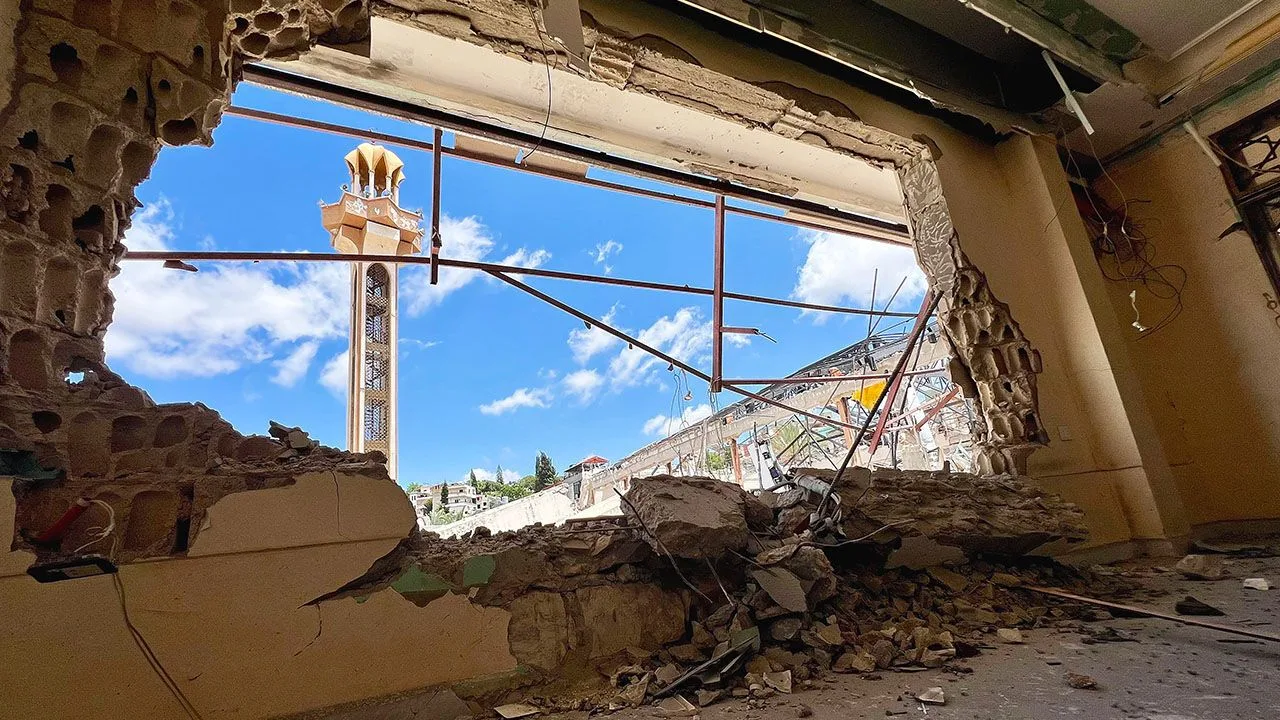
EMPATHY IS NOT a quality usually associated with Donald Trump. But he sounded compassionate when he met Joseph Aoun, Lebanon’s president, on July 21st. “Lebanon has been a very mistreated country,” said President Trump. Indeed it has. Its modern history includes long occupations by both Israel and Syria, and political meddling from Iran, Saudi Arabia and others.
- At last, better people are in charge.
- Fixing Lebanon requires everything to be done at once, starting today.
- With a weakened Hizbullah and a better government, this is Lebanon’s best chance at reform in decades.
Yet no one has treated Lebanon worse than Lebanon’s own rulers. The past seven years have seen a financial crash caused by a state-run Ponzi scheme; a catastrophic explosion at Beirut’s port, the result of state negligence; and a long war with Israel, started by Hizbullah, an Iranian-backed Shia militia that the state has been too weak and timid to confront. A corrupt, sectarian political class has brought the country to ruin.
A rare opening
At last, better people are in charge. Mr Aoun and the prime minister, Nawaf Salam, talk of restoring Lebanese sovereignty. They want Israeli troops gone from territory in the south and insist that the state has a monopoly on weapons. Since taking office last year they have promised to reconstruct war-ravaged regions, restructure insolvent banks and rebuild a government hobbled by economic collapse. The goal is for Lebanon, a small country of hefty importance, to be once again a business hub for the region and a model of pluralism.
The pair have taken some encouraging steps, but must move faster. This cannot be a slow, sequential process, as many assume. Israeli soldiers must not linger for years; reconstruction and reform cannot wait. Fixing Lebanon requires everything to be done at once, starting today.
Reining in Hizbullah
Reining in Hizbullah, though hard, is essential. Doing so would land a welcome blow against Iran’s influence in the Middle East. It would also encourage talent to stay at home, or return. Lebanon is a diverse place that produces educated, skilled people. Chronic dysfunction has made them its main export. They deserve a chance to succeed without emigrating.
Security forces hesitate to confront Hizbullah, lest they trigger another civil war. Their fear is understandable, but must not be an excuse for inaction. The army needs to exert control, not merely make a show of confiscating the weapons Hizbullah allows it to. Officers sympathetic to the group should be dismissed. Courts should get tougher. Hizbullah’s military wing is banned, yet operatives arrested for carrying weapons are too often just released quickly or are given symbolic fines. Such leniency stores up trouble for the future.
Fix the banks, then fix trust
Mr Aoun hopes to drain Hizbullah’s support by showing that the state can rebuild what the militants cannot. To do that, it must fix the financial sector: investors will not come if banks don’t function. It should finalise a long-delayed agreement with the IMF. Mr Salam has secured two laws required to unlock a deal, but allies of the banks in parliament are stalling over a third, to allocate an estimated $80bn-worth of losses. Lawmakers need to pass it. Delay will not save bankrupt lenders; it will only prolong the country’s despair.
Lebanon must also tackle widespread corruption. It should start by prosecuting those responsible for the port blast, which killed more than 200 people. Tarek Bitar, a judge, battled years of obstruction to investigate it. His probe implicated scores of officials. Prosecutors should file charges.
Help from abroad, with conditions
The government can do only so much. On July 20th Israel moved back from small “pilot zones” under a deal it signed with Lebanon in June. Mr Trump should ensure it completes further pullbacks; otherwise, the south cannot be rebuilt. With its army stretched by three years of war, withdrawal is in Israel’s own interest. If a new government takes power in Israel after October’s election, it must make clear it has no long-term ambitions in Lebanon. Too many of Binyamin Netanyahu’s far-right partners have said otherwise.
Western and Arab countries need to offer support. America has allocated just $36m for the Lebanese army in the 2027 budget, much less than it gave in previous years. And it has long restricted sales of advanced weapons to Lebanon, worried they might be used to threaten Israel or be transferred to Hizbullah. This was short-sighted: keeping the army weak let Hizbullah become strong.
America should convene a donor conference. Rebuilding the south alone is not enough. Leaving out other Lebanese communities risks encouraging sectarian resentment. The country needs roads, internet access and a functional power grid. Donors should focus on specific projects and release help in tranches as specific reforms are enacted. With a weakened Hizbullah and a better government, this is Lebanon’s best chance at reform in decades. Hizbullah is betting the effort will fail. It must be proved wrong. ■
KEEP THE CONVERSATION GOING
A good story is worth sharing.
Send this story to someone who values the bigger picture.
See more from GlobeBriefly on Google
Choose us as a preferred source in your Google preferences.