Audio
Listen to the article
- More than five months of conflict have left the Strait of Hormuz effectively shut, and talks keep cycling back into fighting.
- Even if every planned pipeline is finished on time, 5m of the 15m barrels a day that crossed Hormuz before the war would still pass through it in 2030.
- Pipelines can be struck, and they push Gulf suppliers towards other choke points such as Bab al-Mandab.
- Without Hormuz, Qatar still cannot ship its liquefied natural gas — a fifth of the world’s supply.
- The only realistic way out is a deal with Iran, with America on board — however unpalatable.
Oil crossing Hormuz before the war
Still passing through in 2030
Of world LNG supplied by Qatar
The Gulf states are entangled in a predicament largely of Donald Trump’s making. More than five months into the conflict, the Strait of Hormuz remains effectively shut. A familiar cycle has set in: when American-Iranian talks stall, fighting resumes; when bombs fail to break the impasse, negotiations restart. In recent days Mr Trump has once again floated a deal on Hormuz while threatening to hit Iran “really hard.” He gave Iran “one last chance” to reopen the strait. Again.
Tehran shows no sign of letting go
Yet Iran continues to demand near-total control of the waterway. Its exasperated neighbours appear to hold little hope that Tehran will soften its position — or be compelled to do so. Even a new regime in Tehran, should one emerge, might be reluctant to surrender its newly acquired prize.
Instead, Gulf countries are scrambling to render the Strait of Hormuz obsolete. Saudi Arabia and the United Arab Emirates are building or expanding oil pipelines to bypass the strait; Iraq plans to divert its barrels north. American and Saudi investors are considering a giant refinery outside the strait. Such workarounds will help. But, as our Hormuz dependency dashboard shows, this quest for resilience has its limits.
Why pipelines cannot replace the strait
Pipeline projects are often delayed. Yet even if all plans were completed on time, by 2030, 5m of the 15m barrels a day (b/d) that crossed Hormuz before the war would still have to pass through it.
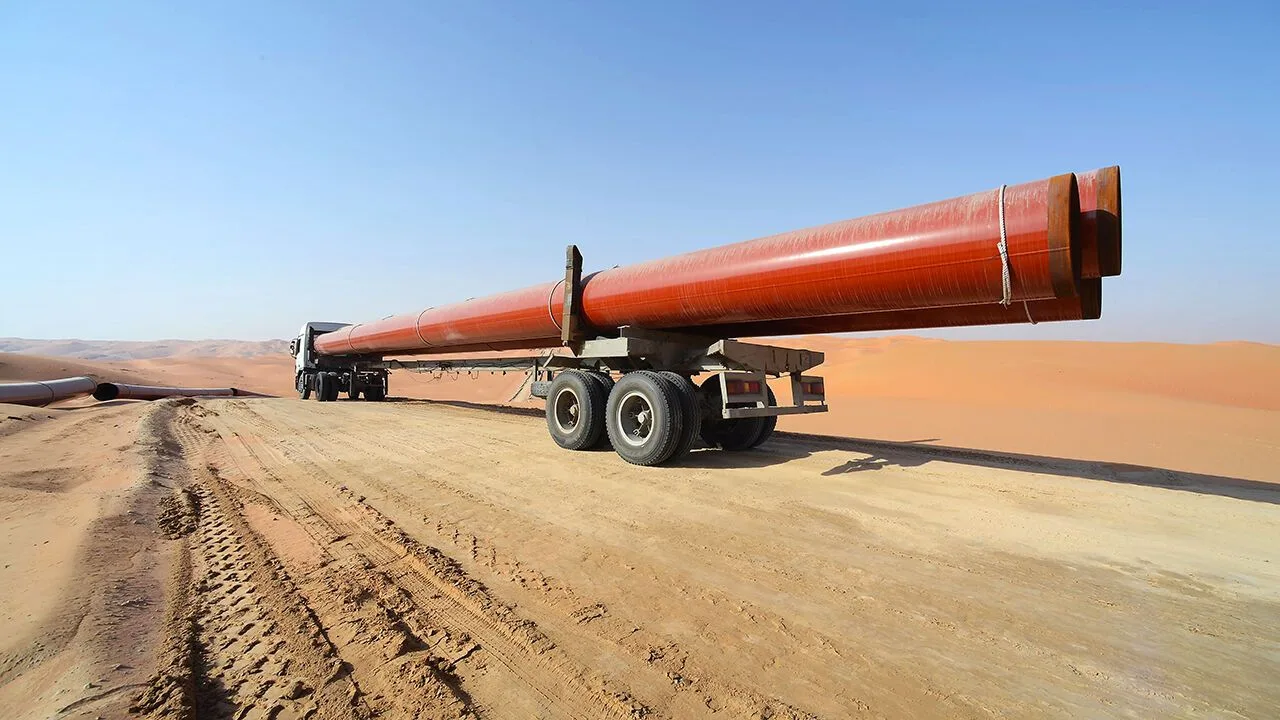
Moreover, pipelines can be struck by Iran. Relying on them risks exposing Gulf suppliers to other choke points, notably the Bab al-Mandab strait in the Red Sea, where the Houthis, Yemen’s Iran-allied rebels, are firing at ships. Like Iran, they have charged ships fees before and may do so again (though they deny this).
And crude oil is far from the only commodity at stake. Without Hormuz, Qatar still cannot ship its liquefied natural gas — a fifth of the world’s supply. Gulf refineries remain largely cut off. That is only the export side, the part of the ledger that most concerns the outside world. From the Gulf countries’ perspective, many of their critical imports, from food to metals, cannot be sent cheaply overland.
Pipelines are worth building, but Gulf countries should also spend more on defending them, and hasten work on other alternatives. All these fixes will take time. For now, the Gulf states need their ships to traverse Hormuz unharmed. America’s bombs have not been able to accomplish this. One drone strike is enough to deter most ships, and jack up insurance premiums.
How to make Iranian blackmail less painful
The only realistic way out is a deal, however unpalatable. Iran wants to manage the strait jointly with Oman, a more pragmatic government. Negotiating an agreement might give Gulf countries a chance to register their red lines and demands. Gulf countries might have no choice but to pay transit fees. Shipowners would probably tolerate them so long as they did not fall foul of sanctions. That means America needs to be on board.
Such a settlement would probably be fragile. International law says that maritime trade should be safe and free. A multilateral deal involving China, which has an interest in keeping the strait open and could restrain Iran, would be more durable. But that looks unlikely for now. Nor does Iran yet seem ready to accept a return to the status quo in the strait. Still, if a deal, however limited and unbalanced, lowers hostilities and buys Gulf countries time to build workarounds and defences that reduce Iran’s leverage, it will be worth having. Iran looks likely to win this battle. But it may yet lose the longer war. ■
KEEP THE CONVERSATION GOING
A good story is worth sharing.
Send this story to someone who values the bigger picture.
See more from GlobeBriefly on Google
Choose us as a preferred source in your Google preferences.