Audio
Listen to the article
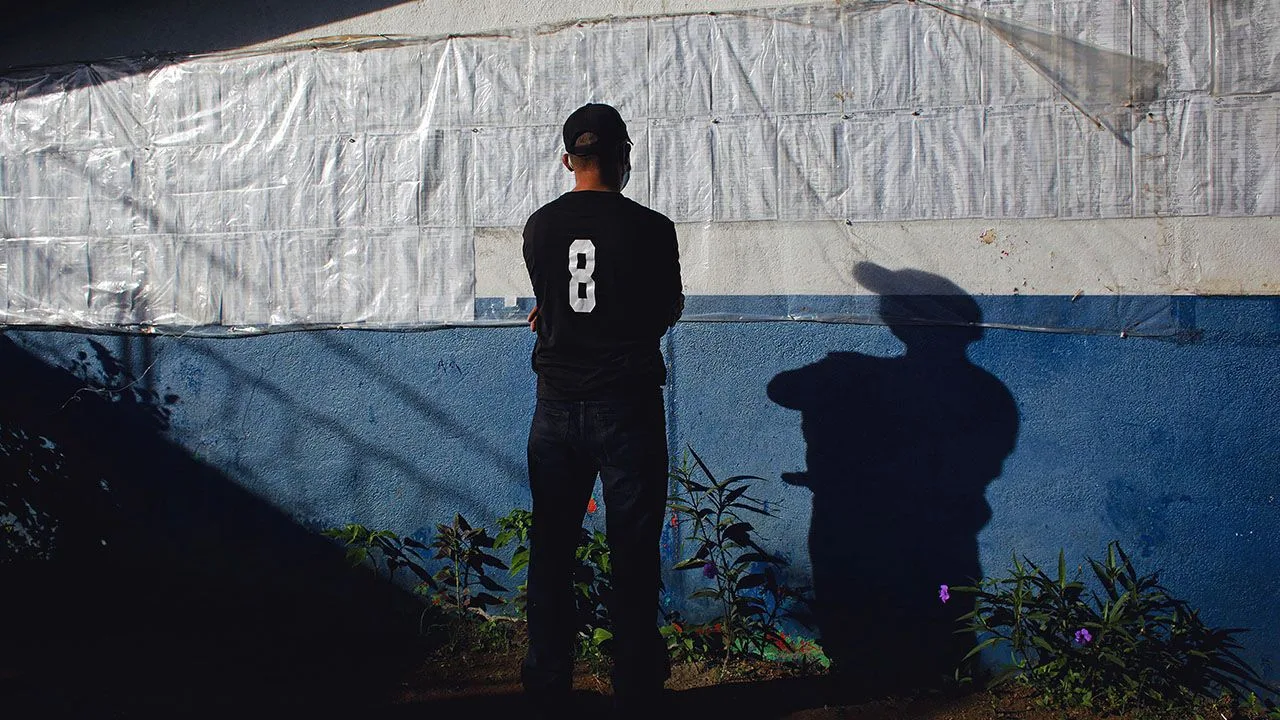
Nicaragua’s co-president Daniel Ortega says there will be no more elections in the country, dropping even the pretence that voters count. Announced on July 19th while attention was on the football World Cup final, the move crosses a rhetorical rubicon for modern autocracy.
- On July 19th, Daniel Ortega, Nicaragua’s co-president, announced: “There will never be elections here again.”
- Nicaragua is the second-worst backslider of the past 20 years after Mali, according to Freedom House, and roughly a tenth of the population has fled.
- The shift from rigging elections to abolishing them removes a standard dissidents used and a chance that a strongman miscalculates and loses.
“Hypocrisy is the homage that vice pays to virtue,” wrote François de la Rochefoucauld, a French moralist. This is especially true in politics. Autocrats usually put on a big show of holding elections. These may be phoney, as in Russia or Iran, but they allow rulers to claim to govern by popular consent, which lends them at least the appearance of legitimacy at home and abroad.
So it is highly unusual for the leader of a country that holds elections to say: no more. Yet that is what Mr Ortega did on July 19th. He complained that opposition parties wanted to use elections “to seize power”. That is indeed what elections are for.
Tiny Nicaragua offers a cautionary tale for democrats
Nicaragua is a small country, but this rhetorical rubicon matters. Globally, democracy has been in retreat for two decades or so. The worst deterioration has been in places that were free or partly free and have gradually become less so, as power-hungry leaders have squeezed the media, nobbled the courts and persecuted the opposition.
According to Freedom House, an American watchdog, Nicaragua is the second-worst backslider of the past 20 years, after Mali. Mr Ortega was freely elected in 2006, but then set about dismantling every institution that could challenge him. He locked up and sometimes tortured his rivals. He forced the media to praise the awful poetry of his wife and co-president, Rosario Murillo. Roughly a tenth of the population fled.
From fake elections to no elections
Until now, however, Mr Ortega has allowed elections, albeit fake ones. In this he has behaved like other strongmen, who typically rig elections rather than scrap them. Even coup leaders with guns on their hips typically say they will hold a ballot “as soon as circumstances allow”.
Now Mr Ortega has “taken off the mask”, says Félix Maradiaga, a former presidential candidate who was stripped of his citizenship and deported. He has made explicit what other autocrats feel compelled to hide: that they will not submit to the will of the people.
Presumably he has done so on the assumption that this will not provoke a forceful response from the United States, which once cared about democracy in its backyard. If Nicaragua formally becomes a one-party state and suffers no diplomatic blowback, others may follow. Marco Rubio, America’s secretary of state, condemned Mr Ortega’s words, but spelled out no serious consequences.

Ageing rule and dynastic succession
Nicaragua highlights two further problems that the global decline of democracy is likely to aggravate. First, leaders who cannot be removed will age in office. Mr Ortega is 80. Perhaps mental infirmity contributed to his latest bombshell. Second, succession. The peaceful transfer of power is tricky in a dictatorship. Mr Ortega wants his unpopular wife to take charge when he dies, and then his equally odious son.
This is a toxic combination. Ageing rulers-for-life seldom improve with each passing decade, and dynasties foisted on unwilling citizens are rarely a recipe for good government. Just ask the people of Uganda, where the 81-year-old strongman’s son, army chief and presumed heir has threatened to muzzle the press and castrate the main opposition leader. Or, depending on where you live, you may be able to think of an example closer to home.
Why the pretence of voting still mattered
The difference between rigging elections and abolishing them may sound trivial, but is not. So long as rulers pay lip service to democratic norms, dissidents can try to hold them to their own professed standards, and embarrass them when they fall short. So long as elections are held, there is a chance the strongman will miscalculate and lose.
Sometimes the popular will prevails despite a tilted playing field, as Viktor Orban discovered in Hungary this year — and Mr Ortega discovered when a free election ended his first spell in office, in 1990.
So the precedent being set in Managua is troubling. A world where autocrats no longer pretend to care what the people think would be worse than today’s. All the more reason for democrats everywhere to insist on the most basic of rights: to choose their own rulers.
KEEP THE CONVERSATION GOING
A good story is worth sharing.
Send this story to someone who values the bigger picture.
See more from GlobeBriefly on Google
Choose us as a preferred source in your Google preferences.