Audio
Listen to the article
- From a 1660 Puritan order to “examine all night walkers after ten of the clock” to a 2025-26 fight in Boston over 3am closing, America has long policed the night.
- Patchwork alcohol rules and caps have real costs: the average liquor licence in New Jersey is estimated at around $350,000.
- With daily socialising among 18- to 30-year-olds down 38% between 2003 and 2023, easing permits and quotas would help the economy, safety and social life.
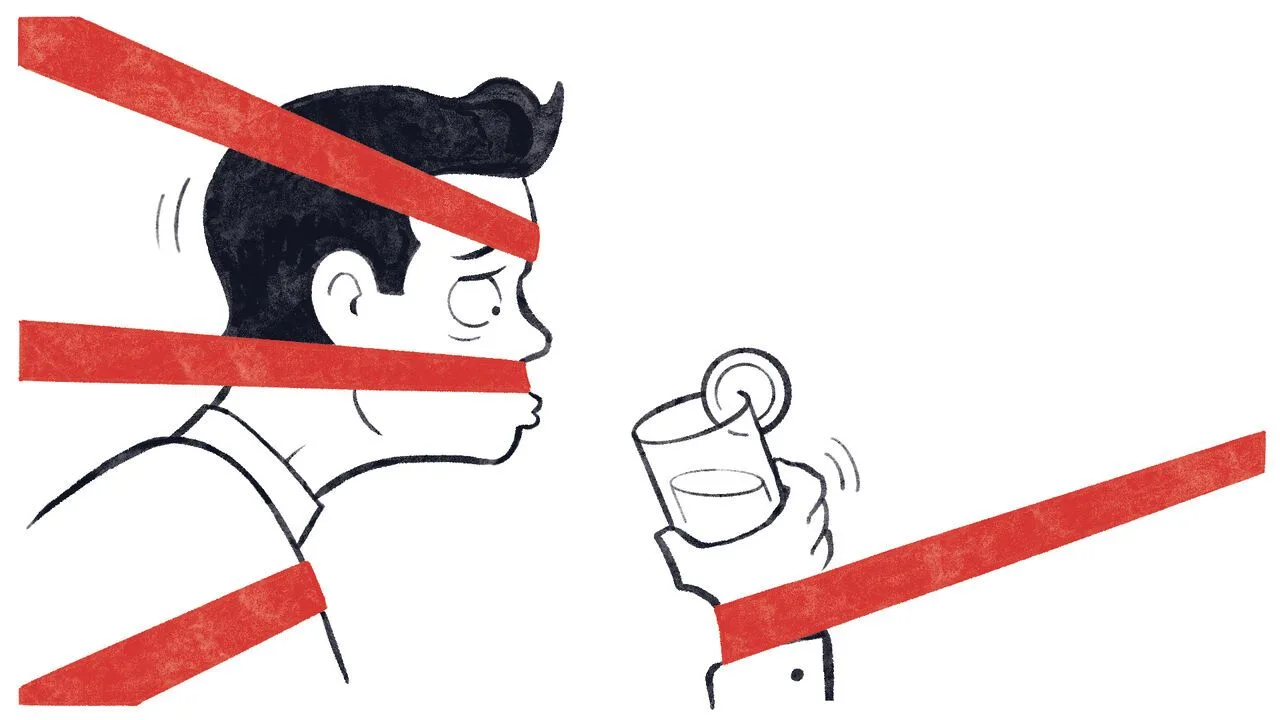
For a country that prizes individual liberty, America is strikingly strict about a night out. Bureaucracy — not just prudishness — is the toughest bouncer, and cities would gain by lightening up.
A nation that loves liberty, but not late nights
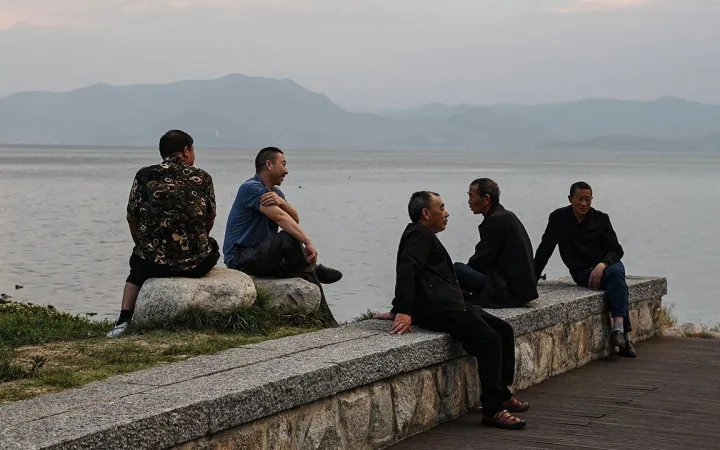
In 1660 the Puritan Massachusetts Bay Colony told its watchmen to “examine all night walkers after ten of the clock at night”. In 2026, Boston’s largest police union echoed the sentiment, opposing an extension of bar hours to 3am on the grounds that: “Truth be told, not a lot of good happens after midnight.”
The through-line is not just moralism. When Prohibition ended in 1933 it was replaced by a patchwork of state and local rules, from caps on the number of liquor licences for pubs and restaurants to state monopolies over wholesale liquor distribution.
In the decades that followed, zoning laws, neighbourhood review boards and other municipal restrictions added further layers for any venue serving alcohol. The concerns that drove them are understandable: cities must be places for families, safe streets and sleep as well as revelry, and excessive drinking causes disease, accidents and crime.
“Truth be told, not a lot of good happens after midnight.”
Boston’s largest police union, opposing 3am closing in 2026
How a licence came to cost $350,000
Regulation has a way of developing a life of its own. The valid reasons to regulate nightlife are not a reason to throttle it. In the land of the free, the upshot is that in some places it is simpler for an 18-year-old to buy a semi-automatic rifle than for an entrepreneur to open a neighbourhood bar.
$350,000
Estimated average cost of a liquor licence in New Jersey, where government-imposed caps drive up prices and smother competition.
Government-imposed caps have the predictable effect of raising prices and suppressing competition. Permits that languish while owners rack up costs and licensing rules that only a specialist can navigate compound the problem.
Why a bustling late-night economy matters
Thriving nightlife is both economic and social policy. Economically, livelier streets make cities better places to live, helping create productive clusters of skilled young workers who want to socialise as well as build careers. As a side-benefit, extra foot traffic can make streets safer.
A bustling late-night economy also gives young people places to have fun together, whether alcohol is involved or not. Between 2003 and 2023, official data show the average amount of time 18- to 30-year-old Americans spent socialising each day fell by 38%. According to one survey, roughly one-third of single people aged 22 to 35 say they have not been out on a date in the past year.
Dancing is, according to our fact-checked analysis, a far superior activity to doomscrolling.
What cities should do instead
American cities should make it easier to create places for people to gather and have fun — many of which will be open late and involve alcohol. That means speeding up permits, simplifying licensing rules that currently require a specialist, and scrapping arbitrarily low quotas on liquor licences.
Cities should also invest more in measures that actually improve safety. Better late-night public transport would be a good start. More police resources would help, too.
Signs that more cities are lightening up
The good news is that more American cities are taking an enlightened view of the night. In New York City, red tape that limits dancing in bars has been cut. San Francisco has begun simplifying its permit process for entertainment venues.
In Boston, the debate over later closing hours was prompted by hordes of good-natured Scottish football fans who descended on the city for the World Cup in June. The Scots may not be that good at football but they did show the city how wonderful the wee hours can be. Even before then, Boston had increased its supply of liquor licences.
Keeping up this momentum is good economics and even better social policy. And if that sounds a little dry, there is a simpler argument: a night out is a lot of fun. More American cities should embrace it. ■
Sources
Massachusetts Bay Colony order, 1660; Boston police union statement on 3am bar hours, 2026; New Jersey liquor licence cost estimate; US official data on socialising time 2003–2023; survey of single people aged 22–35 on dating; city policy changes in New York, San Francisco and Boston.
Correction policy: About GlobeBriefly.
KEEP THE CONVERSATION GOING
A good story is worth sharing.
Send this story to someone who values the bigger picture.
See more from GlobeBriefly on Google
Choose us as a preferred source in your Google preferences.