Audio
Listen to the article
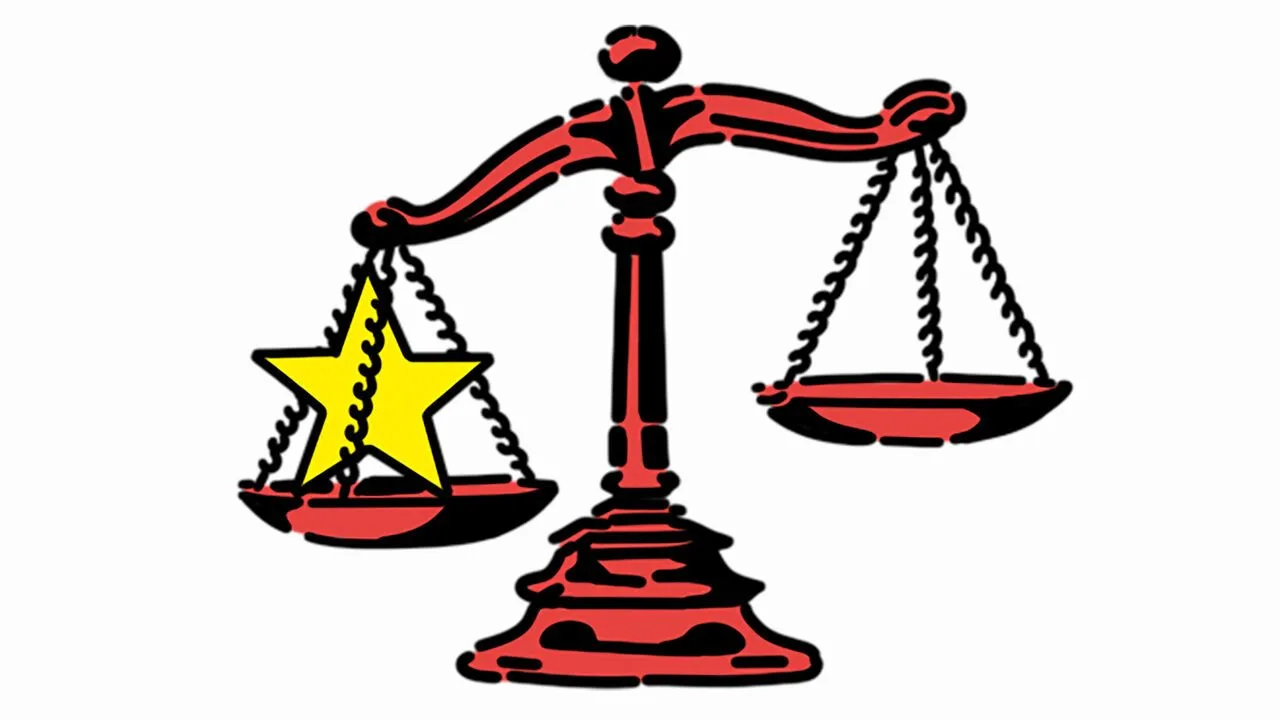
For decades, Washington has reached across borders to bend global companies to its will, wielding a long and powerful extraterritorial arm. That reach underpins the new economic war it declared on Iran this week. Yet multinationals now face a second long arm reaching out from Beijing.
- Laws written this decade and strengthened in April give China power to punish firms for complying with foreign sanctions.
- JPMorgan Chase and Citigroup are being sued for tens of millions of dollars, while a Singaporean firm lost in June for refusing business with a sanctioned Hong Kong firm.
- From the $2bn Meta-Manus order to September 15th entry and exit bans, Beijing is expanding tools that leave firms choosing which law to break.
China builds a rival extraterritorial arm
Under President Xi Jinping, the world’s second-largest economy is learning fast from the largest. One aim is to retaliate against American pressure. But China is also assembling its own tools of coercion to extend its influence. Just as the threat of excluding rivals from the global financial system is America’s superpower, China’s equivalent is its world-beating supply chains. Companies now face the prospect of being crushed between two hammers.
Punished for complying with US sanctions
Laws written this decade and strengthened in April give the Chinese state the power to punish firms for complying with foreign sanctions. When obedience to America means breaking Chinese law, companies are trapped.
Two American banking giants, JPMorgan Chase and Citigroup, are being sued in Chinese courts for tens of millions of dollars over their compliance with Treasury Department orders to avoid business with blacklisted Chinese entities. Firms from other countries are also ensnared. In June, China’s top court invoked the new laws to rule against a Singaporean company that refused to transport electronics for a Hong Kong firm under sanctions.
From banks to tech deals: the pressure widens
Other flashpoints are emerging. In April, Beijing objected to Meta, one of America’s most powerful companies, taking over AI startup Manus. It ordered the $2bn deal unwound even though the firm had relocated to Singapore months earlier to escape Chinese regulation. China had no legal authority to dissolve the deal. Although Meta’s Facebook is banned inside China, Chinese firms spend tens of billions of dollars advertising on the platform. Still, Meta complied. Barring Manus’s Chinese founders from leaving their homeland appears to have concentrated minds.
China’s corporate arsenal is expanding. Authorities are drafting rules to tighten control over the flow of Chinese-made AI technology. On September 15th, new powers take effect imposing entry and exit bans on individuals. The party intends these laws to have broad scope, intimidating critics while imposing its will on firms abroad.
Why the middle ground is treacherous
For a typical multinational — banking in New York, manufacturing in Shenzhen — this is a treacherous path. China’s dominance of global manufacturing gives it immense leverage. Beyond civil penalties and fines, firms that violate Chinese rules can have assets seized and be blacklisted from working with Chinese partners.
China has shown few scruples about using trumped-up charges to detain staff, Chinese or foreign. The legal tussle between the two superpowers escalated on August 24th, when Treasury Secretary Scott Bessent imposed sanctions on dozens of Chinese individuals and businesses for helping Iran sell oil and procure dual-use technologies. China warned it could retaliate.
- Transparent, reviewable in independent courts, and constrained by law.
- Vague and sweeping, with courts doing the Communist Party’s bidding; executives risk coercion — and disappearance into custody.
Multinationals must navigate a world where they are caught in the middle. Obeying American laws means breaking Chinese ones, and vice versa.
How multinationals can prepare
How can firms prepare? Many have spun off their Chinese operations into separate legal entities, or shut them down entirely. They can keep their most valuable data out of China, restrict transfers of sensitive technology, and ensure operations outside China do not depend on executives or assets in the country. Supply chains should be resilient enough that no single country can bring business to a halt.
The long arm of the lawless
Yet corporate firewalls are of limited use against a government that ignores them. Businesses will find themselves tip-toeing through minefields, deciding whose law to obey and deferring to whichever country threatens the most harm. The fracturing of global commerce into rival blocs continues. ■
KEEP THE CONVERSATION GOING
A good story is worth sharing.
Send this story to someone who values the bigger picture.
See more from GlobeBriefly on Google
Choose us as a preferred source in your Google preferences.