Audio
Listen to the article
- Prime Minister Andy Burnham averages more than one TikTok upload daily since taking office — from rating traditional pub snacks to “ask me anything” Q&As — and used a Facebook post to acknowledge difficulties with a plan to expand prison space through early release of some offenders.
- He has filmed with Ellis Platten on retro football kits, Bemi Orojuogun (“Bus Aunty” on TikTok) and science creator Big Manny, continuing an approach pioneered by Rishi Sunak and extended by Sir Keir Starmer to reach under-35s.
- A confidential Whitehall paper says advice from a relatable influencer can feel like “a shared discovery or recommendation” and notes influencers may receive “several thousand pounds” per post — but creators and former aides say viral clips cannot compensate for weak policy.
London
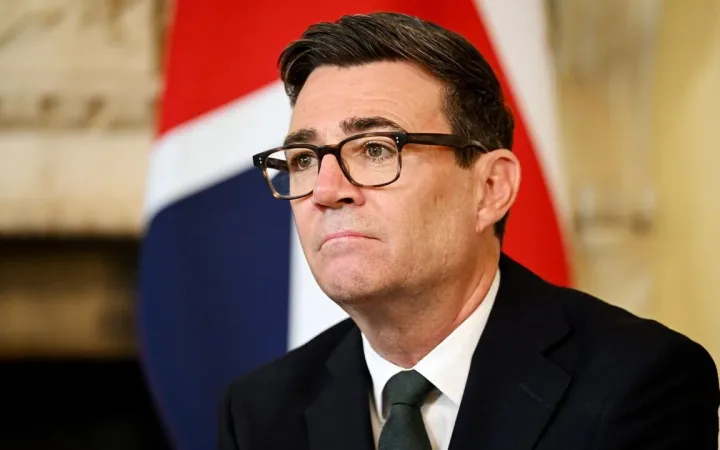
Andy Burnham was soaked in print as a child: he earned pocket money on a paper round, then after university took an unpaid post at the Middleton Guardian. Yet since entering Downing Street the prime minister has shown little devotion to the traditional press. He has granted more podcast conversations than newspaper interviews, and staged more TikTok antics than formal press conferences.
Andy Burnham’s Downing Street TikTok strategy for young voters
Mr Burnham has invested heavily in polished online output. He has averaged better than one TikTok upload daily since taking office. His short videos range from rating traditional pub snacks to hosting “ask me anything” Q&A sessions. Even unwelcome developments arrive via social platforms. Mr Burnham chose a Facebook post to acknowledge difficulties with a plan to expand prison space through early release of some offenders. Numerous respondents commended his frankness with voters.
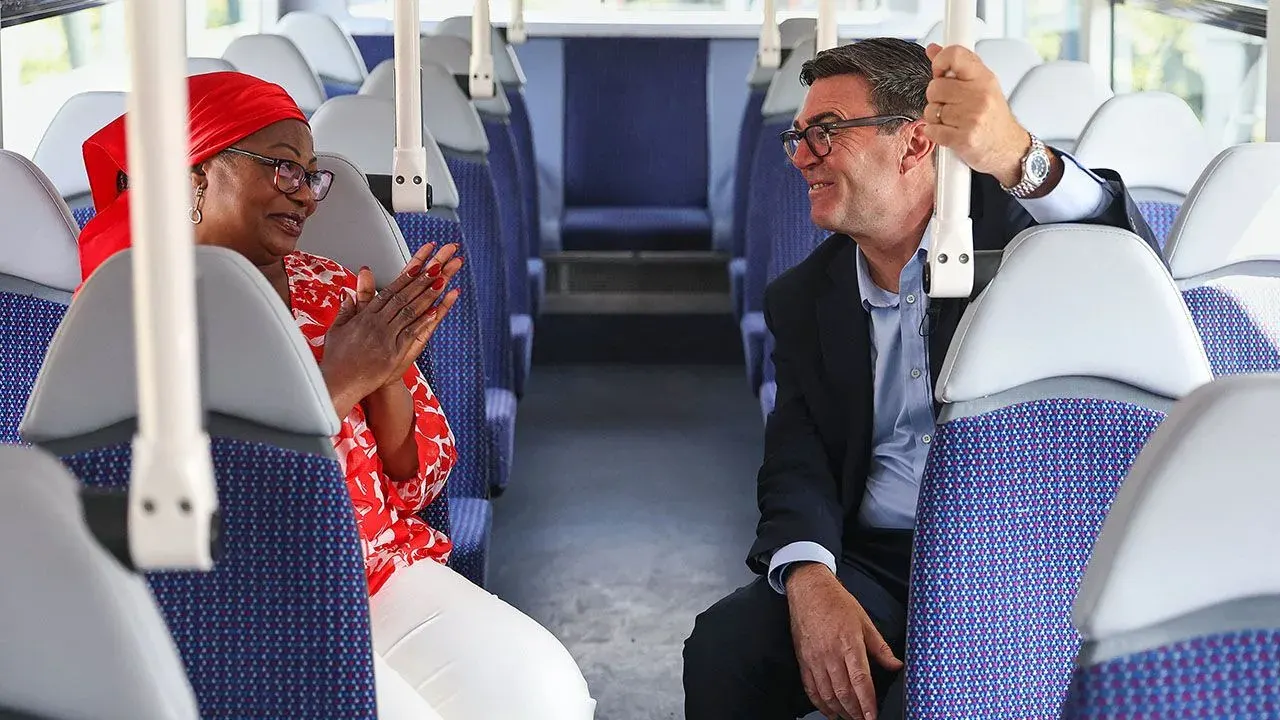
Then come the online personalities. Mr Burnham has discussed retro football kits with Ellis Platten, a YouTuber. He has appeared alongside Bemi Orojuogun (pictured), known as “Bus Aunty” on TikTok, whose bus footage draws millions of hits. He has also wired an electrical circuit with Big Manny, a science graduate posting explanatory clips on Instagram.
From Palmerston to Smash Hits: how prime ministers chased new media
Each successful premier exploits the channels of the moment. Lord Palmerston, premier in the mid-19th century, nurtured such a tight bond with the Morning Post that he practically dictated its leaders verbatim. Harold Wilson in the 1960s fitted Downing Street with tickers carrying foreign news flashes while dragging official communications into the telecom era. Margaret Thatcher sat for titles such as Smash Hits, a cheeky pop weekly. Sir Tony Blair installed “spin doctors” at the centre of power to cope with the relentless demands of round-the-clock television.
It is unsurprising, therefore, that Prime Minister Andy Burnham has leaned into short-form video. British office-holders still trail American peers, where lengthy podcast sit-downs have become routine for hopefuls. Yet Mr Burnham currently wins compliments for a relaxed, faintly laddish digital character that his predecessor never secured — despite most of his press operation having served Sir Keir as well.
Inside Whitehall’s government influencer partnerships
Rishi Sunak pioneered invitations for influencers to Number 10 in an attempt to connect with younger citizens increasingly detached from legacy outlets (people under 35 view under an hour daily of broadcast TV, Ofcom, a regulator, reports, against five hours among those 65-plus). Sir Keir Starmer extended the approach, staging briefings reserved for influencers and bringing “content creators” along on foreign official visits.
Within Whitehall, ranking influencers alongside conventional journalists has now become official practice. A confidential government paper cautions officials that “people often resist being told what to do” by the government, yet notes: “If the advice or suggestion comes from a relatable influencer, it can feel less like a directive and more like a shared discovery or recommendation.” The paper further discloses that influencers may receive “several thousand pounds” for each post in state advertising drives. “The government has a duty to engage with the public where they are,” a spokesman says.
Government and social-media culture can blend well, says Georgia Harrison, ex-“Love Island”, a reality-TV show, contestant who now campaigns on online safety and has visited Downing Street repeatedly. “It’s about causing the drama,” she says. Abigail Foster, a personal-finance creator, contends digital figures access places papers miss: “We are where the next generation are, we look and sound like them.”
Do viral clips win votes? The limits of influencer politics
Still, chasing viral fashions does not ensure affection. Mr Sunak was decisively rejected by voters in 2024, while Sir Keir’s snappy films failed to soften his rigid persona. “Keir is probably more Substack than TikTok,” admits James Lyons, who was his director of communications in Number 10 and is now senior partner at Penta Group, a consultancy. Ms Foster says Whitehall units solicited partnerships so relentlessly that she began refusing them — and cautions that viewers no longer find influencer shoots inside Downing Street novel.
British papers retain clout, frequently setting the agenda for the powerful public-service broadcaster, the BBC, and for debate on the web. Nevertheless, any electoral operation ignoring social platforms is bound to collapse. The web permits “hyper-personalisation”, says Alexander Dragonetti, an ex-diplomat turned “The Traitors”, a BBC game show, participant who now produces foreign-policy explainers; leaders need to court diverse niche publics to be confident of reaching a majority of electors.
Why policy still matters more than the platform
In the end, substance and storyteller outweigh channel. It is no accident that the two post-war-era premiers remembered as press masters, Thatcher and Sir Tony, were also those clearest about objectives and strategy. Chiefs fixated on coverage minutiae lose focus too readily.
Policy has to come first and then communication, not the other way around.
Georgia Harrison · campaigner and former Love Island contestant
Creators themselves emphasise they offer no panacea for embattled administrations. As Ms Harrison says, “Policy has to come first and then communication, not the other way around.” ■
For more expert analysis of the biggest stories in Britain, sign up to Blighty, our weekly subscriber-only newsletter.
KEEP THE CONVERSATION GOING
A good story is worth sharing.
Send this story to someone who values the bigger picture.
See more from GlobeBriefly on Google
Choose us as a preferred source in your Google preferences.