Audio
Listen to the article
Making it easier to party is becoming serious public policy, as American cities hire nightlife czars to grow the nightlife economy without driving nearby residents miserable.
- Boston’s Corean Reynolds is the city’s first director of the nightlife economy, part of a rise in officials tasked with livening up life after dark.
- Roughly a dozen municipalities, from Iowa City to Philadelphia, now have an official responsible for promoting the nightlife economy.
- Boston created 225 new liquor licences in 2024, while time spent socialising by 18- to 30-year-olds fell 38% between 2003 and 2023.
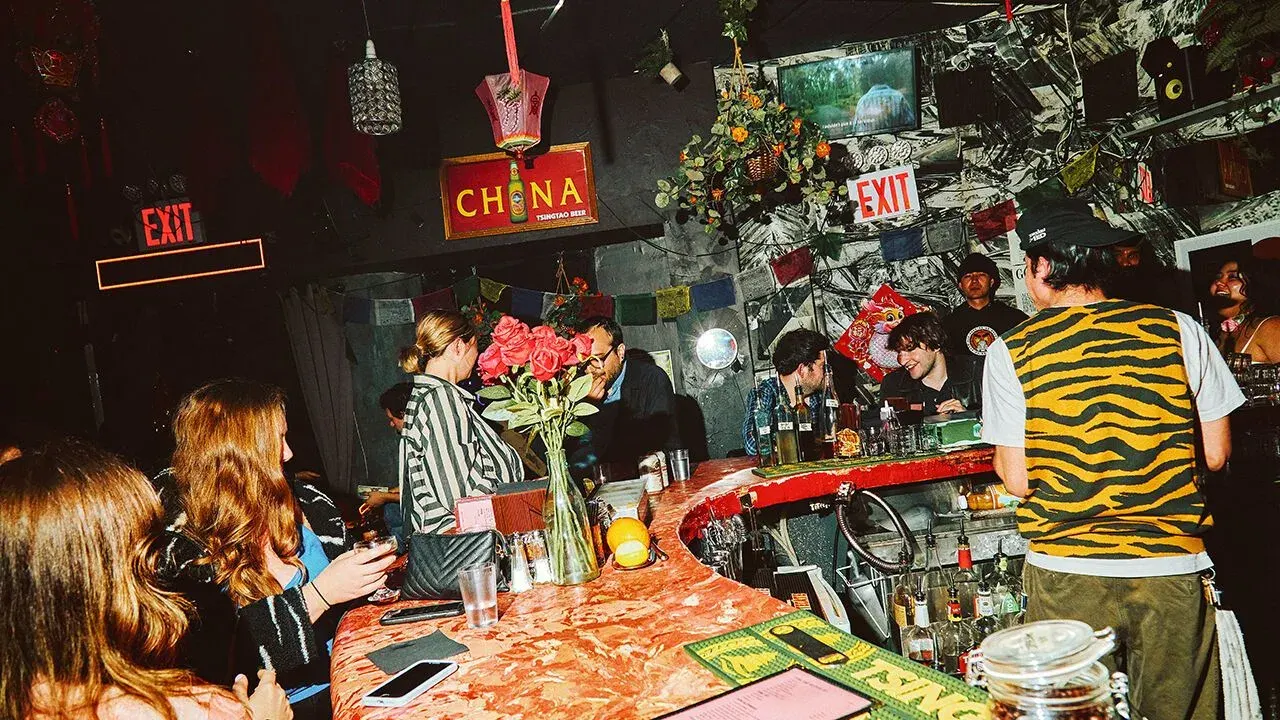
The job of nightlife czar sounds almost hedonistic. Then Corean Reynolds explains what it entails. Officially Boston’s director of the nightlife economy, Ms Reynolds can sometimes be found standing outside a bar at 2am, watching how staff manage crowds spilling into the street.
When residents complain about noise, she may be nearby with a decibel meter, with a plan not to kill the buzz but measure it. “I’m like, hey, actually it didn’t seem that loud,” she says she tells them. Her task is, essentially, to help more people have fun without making nearby residents miserable.
She is the first person to hold the job in Boston and one of a rising number of officials across the country tasked with livening up life after dark.
From Prohibition-era rules to nightlife officials
For decades cities were interested mainly in enforcing strict rules, some dating to Prohibition, on pubs, music venues and dance halls. Now roughly a dozen American municipalities, from Iowa City to Philadelphia, have an official responsible for promoting the nightlife economy.
How New York moved past the Cabaret Law
This evolution in thinking can be seen in New York. A measure known as the Cabaret Law, which required venues to obtain special licences before allowing more than three people to dance, was introduced in 1926.
In the 1990s Rudy Giuliani, then the city’s mayor, revived the law as part of his administration’s “Broken Windows” strategy, an approach to policing that sought to deter serious crime by cracking down on minor offences.
The law was finally repealed in 2017, and the city’s first nightlife mayor, Ariel Palitz, was appointed to her post the year after. Her office set up mediation services to help residents and business owners resolve noise complaints. Ms Palitz cautions that the correct term is “sound—not noise”.
The prior system was “purely punitive”, she says, with each complaint automatically dispatching police. Her office also assisted bars, clubs and restaurants navigate permits and city bureaucracy. But enacting change has been arduous. Until May applicants for liquor licences in New York City still had to notify state officials if they wanted to allow dancing.
Liquor licences, zoning and entertainment zones
For officials like Ms Reynolds, the biggest limits to her agenda remain red tape surrounding liquor licences, zoning and permitting. Boston is one of many cities that caps the number of liquor licences well below market demand.
New Boston liquor licences in 2024
US cities with nightlife officials
Fall in daily socialising, ages 18-30
But in 2024, after Ms Reynolds pushed for change, the city created 225 new licences. According to the local government, it was “the single largest addition to Boston’s liquor licence quota since the end of Prohibition”.
Other cities are experimenting with new approaches that, if successful, could spread. San Francisco has created entertainment zones where patrons may consume alcohol on streets and sidewalks. Boston and some neighbouring municipalities have done the same as part of the World Cup.
The tournament has become an opportunity to test looser rules, with several host cities temporarily extending bar hours. Meanwhile Austin, Texas, known for its live music, has adopted a policy that protects venues from noise complaints by occupants of new residential buildings, putting the onus on developers to provide adequate soundproofing.
Why Syracuse and smaller cities want in
Smaller cities are following suit. Syracuse, a college town of 145,000 in upstate New York, recently announced plans to hire a nightlife co-ordinator. A thriving after-dark scene, city officials hope, will keep young professionals from moving away.
It may also create jobs not just in hospitality and entertainment, but in sanitation, transport and security, as well as generate more tax revenue. At a time when remote work has left downtown areas quieter, encouraging nightlife is one way to sustain commercial activity after office hours while giving people more reasons to gather in person.
Young Americans are going out less
Nightlife czars have a different challenge now, too. Between 2003 and 2023 data from the Bureau of Labour Statistics’ American Time Use Survey shows that the average amount of time 18- to 30-year-olds spent socialising each day fell by 38%.
Andreina Seijas, an international nightlife consultant, says her industry is now in a war against the couch. In Boston, Ms Reynolds’s mission to reclaim the night continues. Next on her to-do list is persuading the city’s public-transport operator to run later into the night.
The job of a nightlife czar is not always fun, but hopefully the cities they oversee will be.
Sources
City of Boston on liquor licences; Bureau of Labour Statistics American Time Use Survey 2003–2023 for socialising time; New York history of Cabaret Law and nightlife office as described.
KEEP THE CONVERSATION GOING
A good story is worth sharing.
Send this story to someone who values the bigger picture.
See more from GlobeBriefly on Google
Choose us as a preferred source in your Google preferences.