Audio
Listen to the article
“I’ve been banned for criticising Israel. Are we free any more?” Cenk Uygur’s question on X this week has some merit. Mr Uygur and Hasan Piker, two controversial American left-wing influencers, were blocked by the British government from entering the country to speak at the SXSW festival in London and at Oxford University. It is shabby behaviour for a country that sees itself as the birthplace of free speech, a fundamental pillar of liberal democracy. The freedom to say and think what you want is not only a right for citizens; it is a cultural norm that is eroded if speakers from abroad are regularly turned away at the border.
- Britain blocked Hasan Piker and Cenk Uygur from entering to speak at SXSW London and Oxford University after Home Secretary Shabana Mahmood judged their presence “may not be conducive to the public good”.
- The same vague test was used in April to stop Kanye West performing and in May to block far-right speakers at a Tommy Robinson rally in London.
- Visa bans do not suppress views that are available online — Google searches for both men hit record highs — while SLAPP lawsuits and NDAs further gag speech, as shown by the silencing of a Meta whistleblower in Wales.
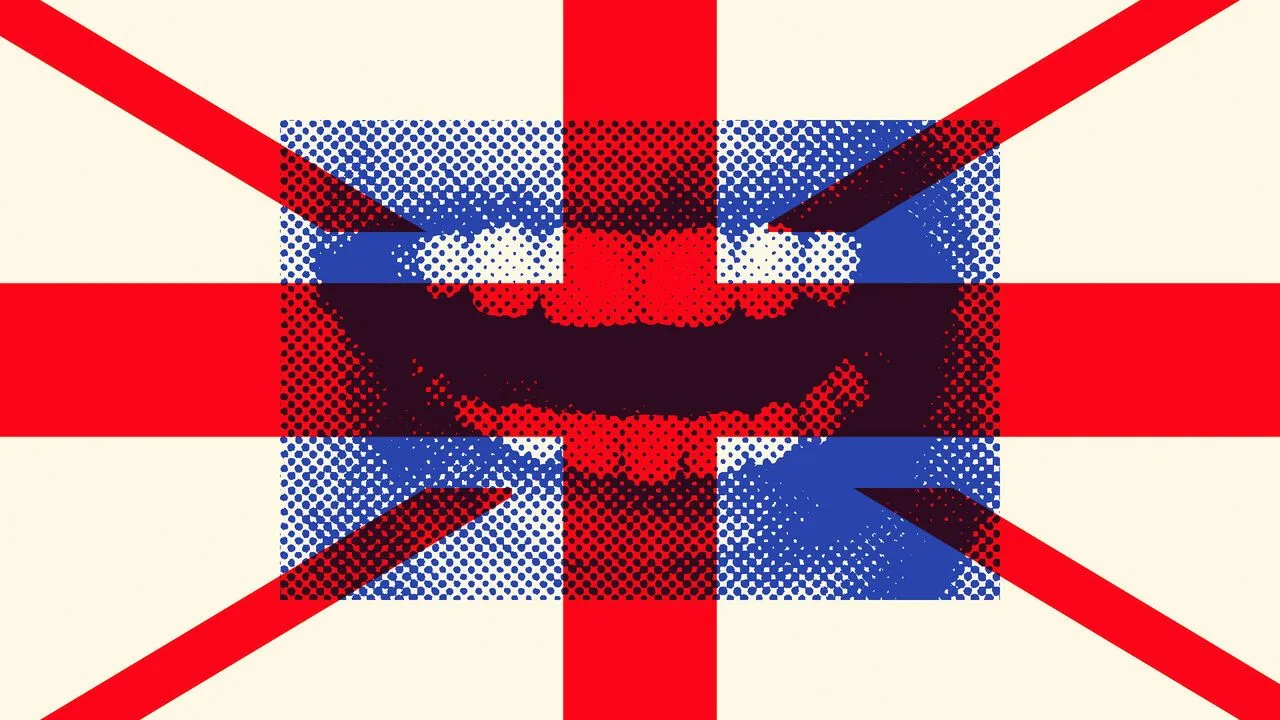
A vague “public good” test is being stretched
Messrs Piker and Uygur were blocked because Shabana Mahmood, the home secretary, judged that their presence “may not be conducive to the public good”. This extraordinarily vague standard is increasingly being used to ban high-profile foreigners whose views the government does not welcome.
In April the rationale was deployed to stop Kanye West — a rapper with a history of unhinged Nazi ramblings, for which he has since apologised — from performing at a music festival. In May it was cited as justification for blocking several far-right figures from attending and speaking at a rally organised by Tommy Robinson, a white-nationalist rabble-rouser, in London.
Offensive views are not the same as incitement
All this is a worryingly aggressive application of the discretionary power afforded to the home secretary. Such power should be used very sparingly. Direct and deliberate incitement to violence is unlawful; it may well be right to exclude someone with a history of such behaviour. Hurtful, disturbing or disgusting views — some on display this week in the furore over the police’s response to a fatal attack on Henry Nowak, a student — do not meet that threshold.
Mr Piker holds many opinions that reasonable people find offensive or simply bonkers. He thinks bank robberies are “cool”; says he understands why someone might want to murder a health-insurance boss; and once opined: “I would vote for Hamas over Israel every single time.” But he does not pose a threat to Britain, any more than the protesters arrested just for holding signs saying “I support Palestine Action” do. The country that once gave sanctuary to Karl Marx should not be frightened of his modern social-media disciples.
Bans amplify the speakers they try to silence
Nor will visa bans on the likes of Mr West and Mr Piker stop Britons from hearing their views. Anyone can tune into their social-media accounts. Indeed, the attempt to suppress their speech makes it more likely that Britons will seek them out. Google searches in Britain for Mr Piker and Mr Uygur are higher this week than they have ever been. As provocateurs who make their living from clicks, they are no doubt delighted.
Britain is not the only country that uses visa bans to keep out speakers whom its government dislikes: America, Australia, Germany and many others do the same thing, too. But that is no excuse. Parliament should press the government to stop using its powers so casually.
Visas are not the only threat to free speech
Parliament should also do more to blunt the tools used by the rich and powerful to intimidate or silence critics, such as lawsuits intended to impose ruinous costs on them, known as “strategic lawsuits against public participation”, or SLAPPs.
SLAPP — strategic lawsuit against public participation: legal action intended to impose ruinous costs and silence critics, rather than to vindicate a meritorious claim.
This past weekend provided an egregious example, when Sarah Wynn-Williams, a former Meta employee turned whistleblower, had to sit mute on a stage at a literary festival in Wales, gagged by a global non-disclosure agreement and unable even to nod her head without risking financial penalties.
Gag reflex
With free speech under siege around the world, it is shameful that Britain, once a bastion of tolerance for vigorous debate, should be so censorious. The government’s job is to keep people safe from actual violence, not to try to shield them from words that might upset them. If it makes a habit of banning visiting speakers, it will create the impression that it endorses the views of the people it does let in. It will encourage more activists to lobby for bans on foreigners whose ideas they disagree with. And it will make Britain less free. ■
KEEP THE CONVERSATION GOING
A good story is worth sharing.
Send this story to someone who values the bigger picture.
See more from GlobeBriefly on Google
Choose us as a preferred source in your Google preferences.