Audio
Listen to the article
London
- Public funding has shrunk in real terms — Tate’s grant fell by about a third since 2009-10 — pushing free-admission museums to fundraise harder.
- Corporate backing fell for four straight years after 2007 and now carries reputational risk, making individual patrons more attractive.
- Billionaire donors bring large gifts and choice for museums, but also risks of fickleness and influence over curatorial decisions.
At the British Museum’s Bayeux tapestry exhibition, the name above the title belongs not to William the Conqueror but to Igor Tulchinsky, the boss of WorldQuant, an asset-management firm. As the sole listed sponsor, he gets the “presented by” billing for the blockbuster show, reportedly contributing £5m ($6.8m).
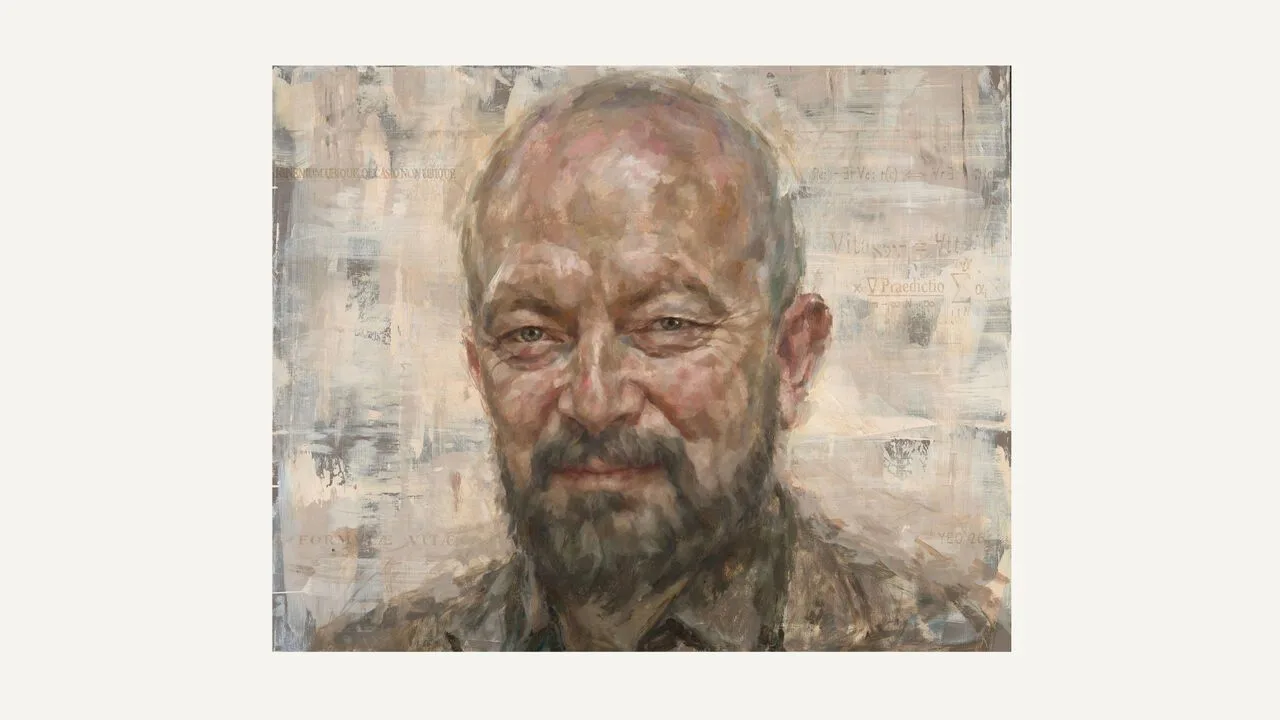
Individual patrons are now very much in vogue in Britain. Their names are cropping up with increasing frequency at museums and art galleries. While continental Europe still leans heavily on state funding for high culture, Britain is edging toward the American model of private support for creators and curators.
Public funding has tightened in real terms
The rise of patrons is partly a response to squeezed public budgets. Tate, the gallery group, received £56m in 2009-10 and £54m in 2024-25 — a real-terms decline of about a third. The British government is urging museums to emulate their American counterparts and foster a “culture of giving.” Museums, especially those with free admission, have had to sharpen their fundraising efforts.
Corporate sponsorship carries new risks
Individual donors are also, to some extent, filling the void left by corporate sponsors. Research by Arts and Business, a charity, shows that corporate backing for culture in Britain fell for four consecutive years after the global financial crisis began in 2007.
As anti-corporate protests grow bolder, sponsorship increasingly risks bad publicity for both donor and recipient. BP, an oil firm, was once a prominent sponsor of culture in Britain. But museums and galleries, being open to the public, are soft targets for activists, who have tarred and feathered the entrance to the Tate (using a non-toxic tar substitute) and posted a spoof exhibit at the British Museum on plans to drill for oil under Stonehenge.
Private patrons are filling the gap
All of which has made private patrons more appealing. Big institutions have brought in specialists to woo them. In 2024-25, 15 national museums in Britain brought in £1.2bn through fundraising — three times their haul in 2023-24. Most are screening donors more carefully, too. The National Gallery has a committee to investigate “ethical and reputational issues” associated with gifts.
Patrons enjoy all kinds of benefits. Their donations can sometimes attract tax breaks. Being associated with a prestigious museum confers status, which some rich people apparently crave. And many donors simply love the arts and are happy to bankroll them.
Many are eager to support specific causes they hold dear, says Clarissa Levi, an art lawyer. Mr Tulchinsky has said that the “symmetries and proportions” in the Bayeux tapestry appeal to his quantitative sensibilities. However, he was impelled to support the exhibition by his belief in the importance of education, shaped by his own experience of moving to America from Soviet Belarus as a child. His donation will pay for learning materials for schools in the hope that “bringing young people face-to-face with this extraordinary artefact will create a lasting impact.”
What donors want — and what museums risk
There can be drawbacks to relying on philanthropists. Being human, they may be fickle or bossy. The National Gallery says it relies on private support to help fund “several senior curatorial posts”, among other things. Pushy billionaire donors might withdraw support for curators they do not like or try to have shows they disagree with axed.
The history of art is full of overweening patrons. Michelangelo had to deal with one who, being pope, thought he was infallible, which was annoying. But the great advantage of rich individuals is that, by contrast with governments, there are plenty to choose from. ■
For more on the latest books, films, TV shows, albums and controversies, sign up to Plot Twist, our weekly subscriber-only newsletter
KEEP THE CONVERSATION GOING
A good story is worth sharing.
Send this story to someone who values the bigger picture.
See more from GlobeBriefly on Google
Choose us as a preferred source in your Google preferences.