Audio
Listen to the article
Stockholm
Fighting in Ukraine is growing fiercer rather than winding down, and the confrontation is widening too. From Stockholm, sober governments across northern Europe are increasingly organising their defences around rivalry with Russia lasting many decades.
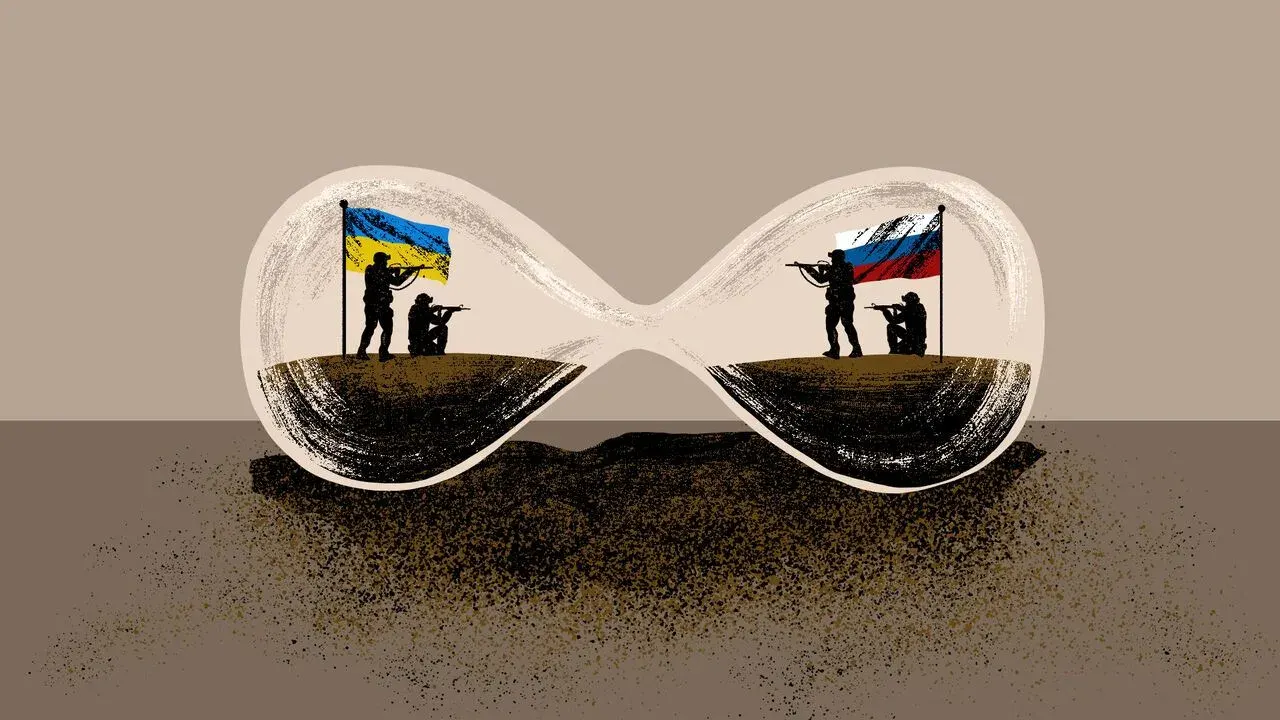
- Fighting in Ukraine is growing fiercer, not winding down, while northern European governments plan for rivalry with Russia lasting decades.
- About two years after discarding two centuries of neutrality to enter NATO, Sweden backs Ukraine across party lines ahead of the September 13th vote.
- Stockholm sees deadlock between Russian ambition and Ukrainian resolve, and is preparing a 50-year military and societal defence effort.
Affluent and cautious Sweden illustrates the shift. Only about two years have passed since the Nordic state entered NATO, with Mr Putin’s aggression pushing it to discard two centuries of neutrality that sometimes shaded into earnest pacifism.
With Swedes voting on September 13th, backing for Ukraine commands such broad agreement that campaign debate has largely ignored the war. Every major party, even populist forces on right and left that previously toyed with pro-Russian sympathy, supports economic and military aid for Ukraine, profound suspicion of President Vladimir Putin and robust national defence.
From neutrality to NATO consensus
Around Stockholm, one hears senior officials repeatedly label their own stance toward Russia until the late 2000s as “naive”. Influential voices on both right and left strain to demonstrate their present hard-headed realism.
Under its present conservative-led coalition, Sweden has bluntly portrayed Russia as frailer than it claims, charging Mr Putin and his circle with deploying suspect figures to mask grim public finances while crushing dissent through repression. Still, Prime Minister Ulf Kristersson does not suggest Mr Putin’s wartime zeal is nearly exhausted.
Rather, in an interview on August 27th for “Inside Geopolitics”, a video show produced by The Economist, Mr Kristersson says he sees “no signs at all that Russia has changed its basic logic behind this war. They want to conquer Ukraine basically, and we don’t know what kind of aims or goals they have after that.”
Stockholm’s diagnosis: deadlock
Mr Kristersson acknowledges that Ukraine is suffering mounting strain as well, with Russian missiles and jet-propelled drones terrorising urban areas exposed by a deepening deficit of interceptors — a shortfall he says has worsened because conflict in the Middle East has consumed reserves. In the same breath, however, he cautions Moscow against assuming Ukrainian resolve will fracture, describing the nation as extraordinarily tough.
Viewed from Stockholm, the impact of two immovable pressures — Russian neo-imperial ambition and Ukrainian national devotion — has produced deadlock. The price of fighting keeps climbing, yet each side regards losing as even more unbearable.
The prime minister concedes he cannot predict when hostilities may finish. “But how it ends will define the security situation in our part of the world for at least a generation to come,” he says.
Tying Sweden to Ukraine for decades
As preparation, his administration has moved to tie Sweden to Ukraine as an enduring military and industrial ally, transferring and selling Gripen combat aircraft for Ukraine’s air force. It is broadening conscription and strengthening defence and security cooperation with Nordic and Baltic neighbours, plus Britain, France, Germany, the Netherlands and Poland, alongside its investment in northern Europe’s armoured forces.
The stance toward Russia is just as uncompromising on the centre left, which surveys indicate will probably prevail in this month’s vote. Prominent Social Democrats, whose party spent the cold war vocally resisting NATO entry, now speak of cross-party agreement that Russia represents a “long-term existential threat” into the indefinite future, obliging Sweden to undertake a 50-year effort to reinforce military and societal defences.
Why peace is both wanted and feared
In Stockholm, an end to the Ukraine war is simultaneously desired and dreaded. Senior officials fear European cohesion, impressive until now, could fray as states more distant from Russia press for friendlier, normalised dealings with Mr Putin.
Morgan Johansson, the Social Democrats’ foreign-affairs spokesman and possible next foreign minister, fears a ceasefire would yield merely a frozen conflict in Ukraine rather than lasting peace. Asked if Sweden might someday trust Russia, he pictures a remote future where leadership change installs a Gorbachev-style reformist. Even in that case, Mr Johansson says, Swedes “would have to keep our guard up” and must not repeat errors from 25 years ago, when leaders ceased fearing Russian aggression and reduced national defences.
Sweden ranks among the strongest champions of offering Ukraine a believable route toward EU accession, once Kyiv demonstrates advances against corruption and on governance, in order to moor it to the West and fortify its democracy. Other large countries, including France, support Ukraine yet remain cautious about expanding the EU. Certain EU members with large farming sectors worry about rivalry from Ukraine’s crop sector.
Little hope, and no good options
Such divergences make Sweden a particularly revealing vantage point for assessing how brittle Western solidarity over the war could prove, above all if Donald Trump attempts to compel Ukraine to accept an unjust peace without security. Sweden has worked to keep cordial ties with Mr Trump and his party.
In private, officials worry over scenarios in which America — determined to secure peace whatever the terms — blocks allies from forwarding American-built weapons and components to Ukraine, withholds crucial battlefield intelligence or menaces to withdraw forces from the Baltics or Poland. Stockholm politicians voice hope that Washington understands the political cost would be too steep. One senior figure proposes that Mr Trump might have turned his attention away from Ukraine, choosing to concentrate on Iran and China.
Kyiv’s partners struggle to discern any route toward a favourable conclusion of the fighting. They dread a poor settlement, both for Ukraine and for their own protection. They mistrust Russia completely and anticipate doing so for years ahead. So deadlock persists: an unsatisfactory result preferable to every alternative.
KEEP THE CONVERSATION GOING
A good story is worth sharing.
Send this story to someone who values the bigger picture.
See more from GlobeBriefly on Google
Choose us as a preferred source in your Google preferences.