Audio
Listen to the article
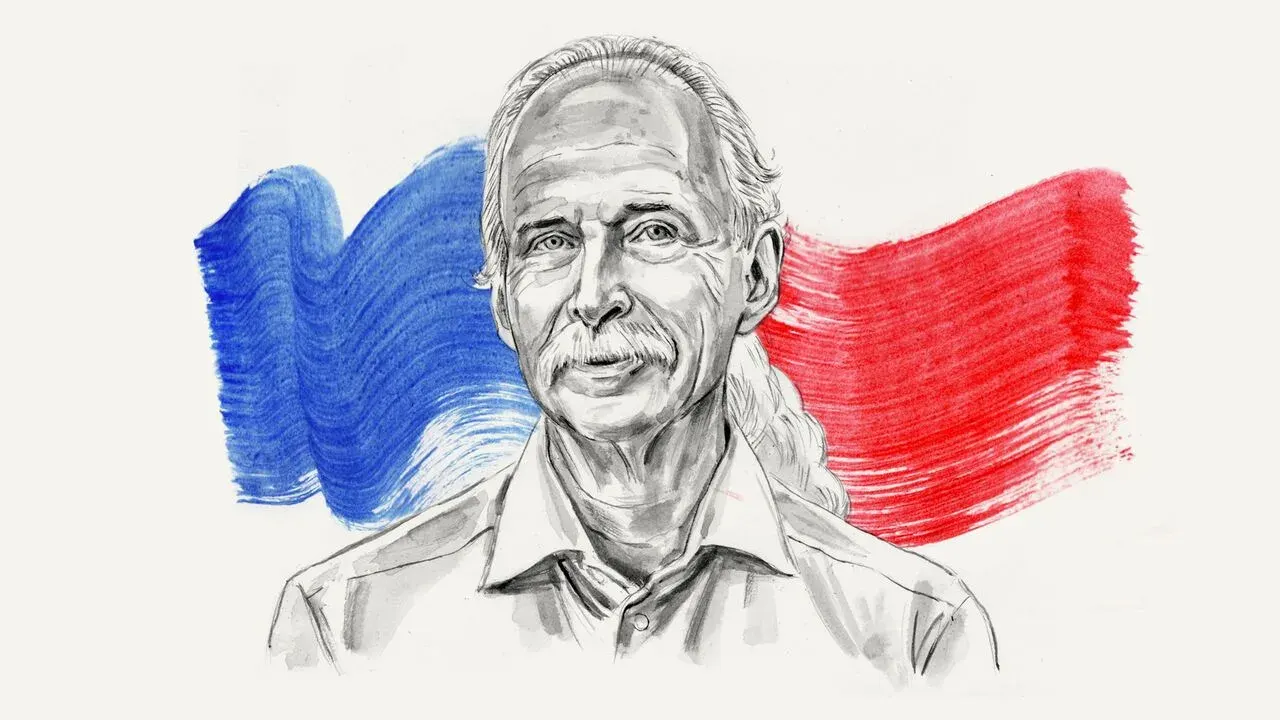
- Historian Richard White argues America has entered a second Gilded Age defined by extreme wealth, monopoly power and political corruption.
- Just as railroads drove booms, busts and monopoly in the late 1800s, today’s digital economy mirrors the railways with excess capacity and the dominance of the “magnificent seven.”
- The first Gilded Age was ended not by markets but by anti-monopoly politics — a force White says is now missing.
Across America’s late-1800s Gilded Age, expansions and collapses chased one another so regularly they looked like capitalism’s normal rhythm. Lavish display by plutocrats supplied the gilt that gave the decades their name; each crash exposed the squalor, sickness and unfairness beneath the polished exterior.
What a “competency” was supposed to guarantee
After the Civil War, Americans hoped the abolition of slavery and the victory of free labour would deliver something else: a society in which every willing man — women’s work went uncounted — whether farmer, artisan or small proprietor, might secure a competency. That largely forgotten term meant enough to keep a household, set children up in life, and still leave something for a secure old age.
Bound up with free labour and competency was the belief that the American economy existed above all to uphold the republic. It was meant to create financially self-sufficient citizens beyond the dictation or bribery of the mighty and wealthy. What emerged instead was a country of hired hands reliant on employers. Among the working poor, economic insecurity became so acute they frequently likened it to bondage.
The beneficiaries proposed a different yardstick: producing the greatest possible wealth. Individualism, formerly equated with self-sufficiency, came to mean the capacity to get rich. Riches turned into the test of talent and worth, and its distribution ceased to be the republic’s business.
How growth and railroads built a monopoly economy
Growth surged, powered by the capture of a resource-abundant continent and plentiful workers supplied through large-scale immigration. Coal, then oil, energised fresh technologies rooted in iron and steel. Washington aided emerging industries with grants of land, credit, guarantees for bonds and protective tariffs. Lobbying developed to obtain those favours, while taxation shielded the lopsided build-up of fortunes that followed. Novel capital markets, resting on information networks tying industry, finance and government together, directed the funds required for expansion and themselves generated fortunes. Market and political graft ran wild.
Railroads both propelled and epitomised that economy. Their spread triggered the upswings and caused the downswings. Lines multiplied beyond need, covering excessive mileage for inadequate freight and passengers. Such overconstruction was folly, yet promoters feared being overtaken. Downturns arrived when railways erected on borrowed money defaulted on bonds, failed to meet interest on borrowings, and entered receivership. Ground that had felt firm one day turned into sinking sand the next.
Rail became the pioneer corporate-dominated industry, and those firms were monopolies as the 19th century understood the term. Their itineraries, charges and terms decided the fates of ordinary people, employees, growers and tiny enterprises with generally no alternative for travel or freight. That leverage was wielded mercilessly, and provoked hatred.
How anti-monopoly politics ended the first Gilded Age
Politics in the Gilded Age turned into a contest between anti-monopolists and their adversaries. The early anti-monopoly dream of a republic of autonomous producers collapsed: that universe had vanished permanently. Its subsequent version, conceding that certain monopolies could not be avoided, insisted on state oversight. That position became the agreed doctrine of the ensuing Progressive Era, and later of Franklin Roosevelt’s New Deal.
Every epoch dignified as an “Age” is presumed fleeting. Through much of the 20th century, the Gilded Age looked singular, painful and lamentable. The administrative state worked. The plutocrats appeared as extinct as dinosaurs.
Why Jurassic Park has returned
Yet we now inhabit Jurassic Park. In a famous image from President Donald Trump’s second inauguration, the dinosaurs — Jeff Bezos, Mark Zuckerberg, Elon Musk and others — pack the platform. Plutocrats whose influence menaces republican corruption have returned. Fortune and office again look fused. Self-dealing has become routine.
The regulatory apparatus that extinguished the earlier plutocrats and their habits never adapted to a transformed world and worldwide economy. It was gutted internally. Today’s digital economy mirrors the railways of its time in its penchant for excess capacity and its cycle of euphoria and collapse. The “magnificent seven” dominate capital markets. Fiscal choices channel riches upward.
What makes this Gilded Age wilder — and what could end it
The United States has not duplicated the first Gilded Age. It has, though, engineered another variant of greenhouse capitalism that lets the vilest characteristics of that age resurface. And it has introduced further ones: the plutocracy of the 1800s never yielded the strongman whom the Founding Fathers dreaded as a fatal danger to the republic.
What the parallel between eras lacks is any present-day counterpart to 19th-century anti-monopoly politics. Once found across parties, it pressed hard for fair competition and an expansive idea of the common good. It called for a competency — perhaps now described as affordability. Meanwhile, the notion that the economy ought to fashion self-reliant republican citizens has been inverted; republican health is now judged by cheap goods and elevated GDP.
In the late 1800s, alarm about disparity and violent economic swings finished the Gilded Age. Markets did not drive that shift. Politics did.
Richard White · Stanford University
Richard White is a professor of American history at Stanford University.
KEEP THE CONVERSATION GOING
A good story is worth sharing.
Send this story to someone who values the bigger picture.
See more from GlobeBriefly on Google
Choose us as a preferred source in your Google preferences.