Audio
Listen to the article
- Truckers in Kangbao dipped cabbages in formaldehyde to keep them fresh; three people have been detained and checkpoints now test cabbages leaving the county.
- A fragmented food industry of 160m independent farmers and hundreds of thousands of distributors meets fragmented regulation.
- Technology, from kitchen live-streams to blockchain and 1,000 cold-chain centres plus 500 planned, adds costs many shoppers cannot afford.
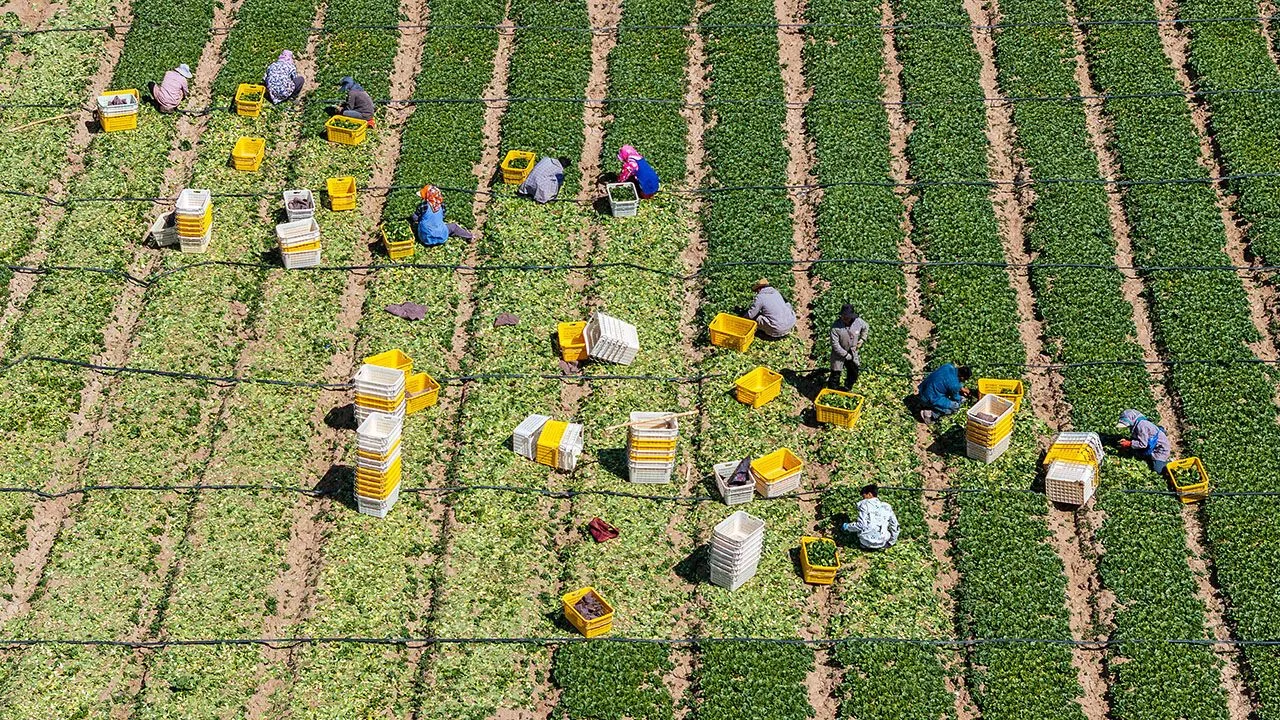
China’s food-safety crisis has found its latest symbol: cabbages. On August 22nd a blogger posted videos of truckers in Kangbao, a county a few hours’ drive from Beijing, dipping the vegetables in formaldehyde.
Formaldehyde-dipped cabbages spark latest scandal
The chemical keeps their pale green leaves looking fresh on journeys through the summer heat. But formaldehyde can also cause cancer. Amid national outrage, authorities have set up checkpoints to test cabbages leaving the county. So far three people have been detained on criminal charges. Singapore and South Korea have also stepped up inspections of Chinese cabbage imports.
State-run media have blasted the truckers for “breaching the moral bottom line”. Yet many Chinese are wearily unsurprised. One farm worker in Kangbao admitted he had known about the problem for some time. Reports of formaldehyde misuse go back at least as far as 2012.
Formaldehyde is just one of the nasty substances that still end up in the country’s food. Last week a cleaning company was put under investigation for using a banned pesticide in restaurants. Bayberry-sellers were recently caught soaking their wares in another prohibited chemical to keep them fresh.
Why food safety still angers China
Few things anger China’s public as much as food-safety scandals. Many are still haunted by a case in 2008 when tainted milk powder made some 300,000 children ill and killed six. In 2013 Xi Jinping, China’s leader, tied the legitimacy of the Communist Party to the problem. “If our party cannot even ensure food safety,” he said, “then people will start to question whether we are qualified to govern.”
Yet the scandals continue. And as China grows more powerful and sophisticated, the problem becomes more embarrassing. People can buy cutting-edge homegrown robots, electric cars and smartphones, but they still do not trust their country’s food.
Progress on laws and pesticides has not ended risk
Some progress has been made. China has tightened the comprehensive law on food safety it passed in 2009. Current regulations are not that much weaker than Europe’s. Punishments, meanwhile, can be far more severe: two men involved in the milk-powder scandal were executed.
China has also made progress on pesticides. Farmers now use less of them, thanks to training, crop testing and bans on the most toxic substances, notes Even Pay of Trivium China, a research firm. That means fewer harmful residues on someone’s plate. One study of Sichuan province, in south-western China, found pesticides per acre had fallen by a third from 2010 to 2020.
Fragmented farms, markets and regulators leave gaps
Yet the scale of the challenge is still daunting. Ensuring food safety is tricky anywhere: this summer America is dealing with a nasty parasite outbreak spreading via lettuce. In China the difficulty is compounded by the fragmentation of the food industry.
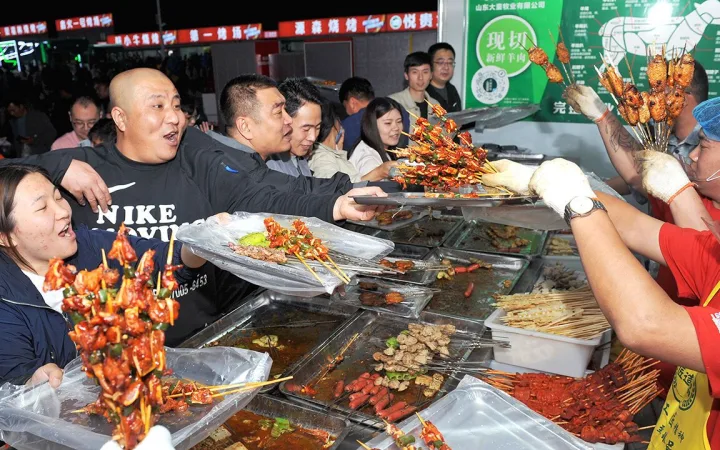
A few big agricultural firms jostle alongside 160m independent farmers, who mostly eke out a living on small patches of land in poorer parts of the country. Then there are the hundreds of thousands of companies moving grains, fruit and vegetables from farms to cities. Most Chinese people also buy their groceries from small neighbourhood markets rather than big supermarket chains. Many of them dine out in hole-in-the-wall restaurants. That all creates plenty of room for dodgy actors, operating on margins thin enough to encourage taking short cuts.
Regulatory bodies are as fragmented as the industry they govern. Things can fall through the cracks. In 2024 it came to light that cooking oil was being transported by lorry and by ship in tanks that were also used for fuel, without cleaning in between. Stopping such dirty tricks might have been the responsibility of China’s market regulator. But the obligation might instead have fallen to the transport ministry, or an office in charge of managing strategic resources like oil. In the end, all failed. It was an investigation by state-run media that discovered the problem.
Can technology keep food fresh without chemicals?
China is hoping technology can help. Some fixes are simple: many Chinese restaurants now live-stream their kitchens, so customers can watch their food being made. Others are fancier: some big companies use blockchain, a kind of secure shared database, to track their products.
China is also building out its “cold chain”: the network of refrigerated lorries and warehouses that keep fruit and vegetables fresh on their journeys without the need for, say, formaldehyde. A recent government plan called for another 500 cold-chain logistics centres over the next five years, on top of the 1,000 already in place.
Such things all add to costs, though. Wealthier Chinese seem happy to shell out. Sam’s Club, a members-only supermarket subsidiary of Walmart, an American chain, has expanded rapidly in China on a promise of supplying safe food. Hema, a homegrown alternative set up by Alibaba, a tech giant, allows consumers to scan some product barcodes to see chemical-testing certificates and transport logs. But not everyone can afford to pay much more for their groceries.
Cheap food, local jobs and weak enforcement
To make food that is both pleasingly cheap and reliably safe, China will have to deal with deep-rooted problems. One is corporate culture. Chinese companies often pride themselves on their speed to market. But that can also entail a rushed approach to vetting suppliers and other safety precautions. Internal channels for reporting problems to management are often underdeveloped. The government is encouraging employees to report to officials instead. In 2024 it announced bigger rewards for whistleblowers in the food industry, promising up to 5% of the value of fines imposed in serious cases.
But official incentives are also warped, warns one Chinese expert on food safety. To get promoted, grassroots officials have to nurture local industries and protect local jobs. Both goals could be jeopardised by an overzealous focus on policing food. “Everyone is maintaining a tacit balance between safety and economic growth,” he says. Big scandals typically lead to investigations from higher levels of government, which will then unerringly find some local scapegoats to punish. Mindful of this, local officials often prefer to deal with problems themselves or, if possible, ignore them.
In Kangbao, where GDP per person is about a third of Beijing’s, farming represents a substantial share of the economy. Local officials are probably bracing for the fallout from the scandal. They are certainly keeping close tabs on the media. Shortly after this correspondent arrived in the county, four officers appeared in a police car, followed by another clutch of officials from the propaganda bureau. They were eager to talk about the fine weather and a rare species of bird that breeds nearby. They did not, however, want to answer any questions about cabbages.
KEEP THE CONVERSATION GOING
A good story is worth sharing.
Send this story to someone who values the bigger picture.
See more from GlobeBriefly on Google
Choose us as a preferred source in your Google preferences.