Audio
Listen to the article
- Financial watchdogs have told lenders they may grant mortgage terms of up to four decades to reliable residential borrowers.
- Developer credit can run as long as seven years, matched to the construction period being funded, and land can be paid for in phased instalments.
- The trade-off is pre-sales: builders are barred from marketing units in fresh developments before the core framework is erected, and cash is released only once the apartment is finished.
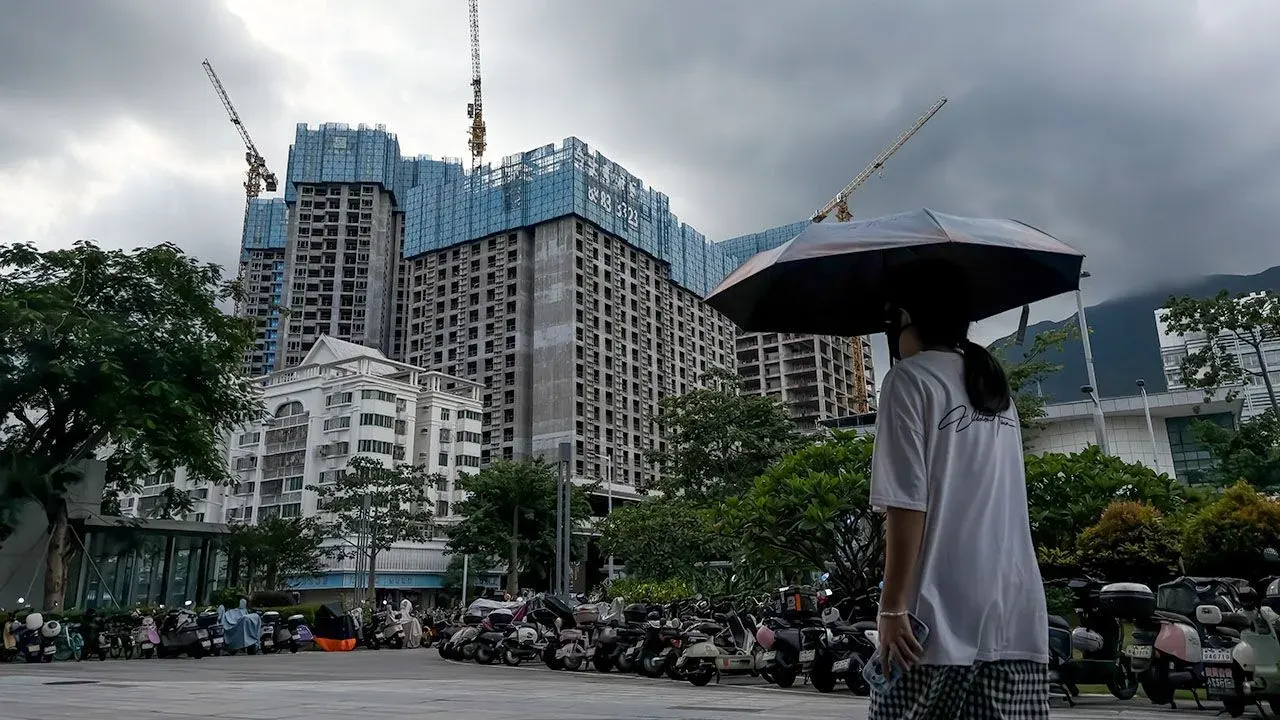
Under regulations released on August 28th, certain purchasers in China could spend the coming 40 years repaying their housing debt before becoming mortgage-free. Financial watchdogs have instructed lenders that they may grant terms reaching four decades to reliable residential borrowers. That directive formed part of a burst of changes for a housing sector stuck in a downturn dating back to 2021.
The decline has not endured for 40 years. Yet on occasion it can seem that way. How might China appear four decades from now? Various projections envisage output expanding by two-thirds, while other estimates foresee inhabitants shrinking by a quarter. Nobody can anticipate the technical breakthroughs or political shocks that could occur in between. After all, the country has been transformed beyond recognition across the previous four decades.
Years, the longest mortgage term offered to reliable borrowers
Years, the longest credit term now available to developers
The year the property downturn began
What China’s new property rules change
The revised framework also permits lenders to provide developers with credit lasting as long as seven years — with durations intended to correspond to the construction period being funded. A separate measure would enable builders to settle land purchases through phased payments. Land, no matter how evenly levelled, has invariably required bulky capital outlays. To cover the initial expense, firms frequently turned to substantial debt. The alternative payment approach may lessen that necessity.
Should banks and municipal authorities cooperate, such overhauls could allow buyers and construction firms to spread liabilities more manageably. Yet a trade-off exists.
The pre-sale crackdown and the shadow of Evergrande
At the same time, Chinese authorities have restricted a different funding channel: advance sales. Builders routinely market apartments to purchasers prior to completion. Those receipts are meant to be devoted to the very project sold in advance. During the boom, however, aggressive groups such as Evergrande, a massive builder, frequently diverted the cash toward unrelated pursuits instead.
Once the housing crisis erupted, numerous firms were short of funds needed to complete apartments already marketed early. Clearing Evergrande’s own overhang required five years. Hui Ka Yan, the firm’s founder and principal architect of that overreach, received a life sentence last month.
Chinese supervisors are determined to prevent another advance-sales fiasco. Builders will henceforth be barred from marketing units in fresh developments before the core framework is fully erected. Receipts must pass through monitored escrow accounts. And firms will not obtain the cash until the apartment stands finished.
- Mortgage terms of up to 40 years for reliable residential borrowers.
- Developer credit of up to seven years, matched to the construction period.
- Phased payment of land purchases, reducing the need for heavy upfront debt.
- No marketing of units in new developments before the core framework is erected.
- Buyer receipts must pass through monitored escrow accounts.
- Developers receive the cash only when the apartment is finished.
A safer market, but a harder one to build in
In theory the overhaul ought to nurture a safer, less failure-prone marketplace. It will, though, further complicate developers’ ability to launch fresh schemes, pressuring sales and payrolls.
Beijing appears eager to see beyond the national housing crisis. Builders lack that privilege. Maybe the episode will have ended by 2066.■
For more expert analysis of the biggest stories in economics, finance and markets, sign up to Money Talks, our weekly subscriber-only newsletter.
KEEP THE CONVERSATION GOING
A good story is worth sharing.
Send this story to someone who values the bigger picture.
See more from GlobeBriefly on Google
Choose us as a preferred source in your Google preferences.