Audio
Listen to the article
Donald Trump stayed through all three days of the G7 in Evian-les-Bains, signed an Iran deal and joined a pledge of unwavering support for Ukraine. European leaders left with guarded hope that Washington could be persuaded to restore part of its backing for Kyiv.
- Trump remained for the full three-day Evian G7, after leaving the Canada gathering after its opening night a year earlier.
- The seven backed Ukraine, pledged stronger oil and gas sanctions on Russia, more air defences and long-range strike capabilities, and licensed weapons production.
- Unofficial exchanges with Russia have restarted, with a two-phase ceasefire idea under discussion, but barriers to settlement remain daunting.
Why staying in Evian counted as progress
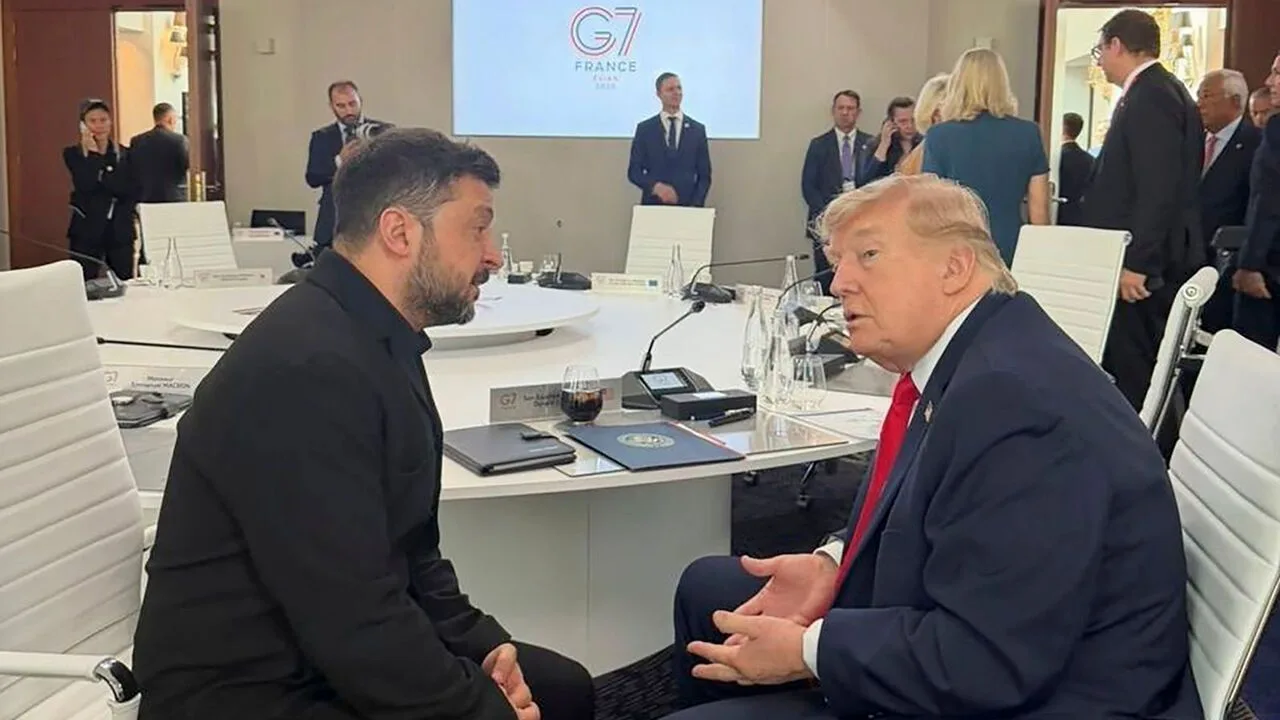
Twelve months earlier Donald Trump had departed the G7 gathering in Canada after its opening night. That he remained through all three days this time in the French lakeside town of Evian-les-Bains therefore counted as advance.
Emmanuel Macron, hosting this year, treated him to supper at the Palace of Versailles — “not gold leaf [but] the real deal!” gushed Mr Trump. Seasoned Europeans have learnt through painful experience against trusting Mr Trump’s statements. Still, the meeting closed in an air of guarded hope that the United States could perhaps be convinced to restore part of its backing for Ukraine.
What the G7 agreed on Iran and Ukraine
Mr Trump travelled to Evian amid bitterness and mutual suspicion across the Atlantic. He departed describing the visit as a “Great Success”.
Leaders of the seven member countries — America, Britain, Canada, France, Germany, Italy and Japan — hailed his deal with Iran as a “breakthrough”. Mr Trump signed it, surprisingly soon, over the dinner at Versailles on June 17th. A British- and French-led naval group, Mr Macron said, stood prepared to assist with reopening the Strait of Hormuz.
Most important for Europe, the full group of seven, the United States included, voiced “unwavering support” for Ukraine and pledged to “strengthen sanctions” against Russia, covering oil and gas. They vowed to supply additional air-defence systems and long-range strike capabilities, and to weigh letting Ukraine build allied weaponry domestically under licence.
Mr Macron spoke of an “Evian moment”. Friedrich Merz, Germany’s chancellor, welcomed a “new tone” in transatlantic relations. To Mr Trump it has now become evident, according to a French diplomatic source, “that today the Ukrainians are the winners and the loser is [Vladimir] Putin”, Russia’s president.
Why Europe remains wary of Trump on Ukraine
As always in judging Mr Trump’s position on Ukraine, a degree of doubt remains appropriate. Europeans have watched Mr Trump switch sides on Ukraine previously, even as he steadily withdrew from engagement in the conflict he had once vowed to resolve. A single telephone call with Mr Putin might immediately erase whatever pledge was offered on the lawns of Evian.
Mr Macron, who arranged the encounters between Mr Trump and Volodymyr Zelensky, Ukraine’s president, has before seen his sustained campaign to charm the American president yield nothing. Even so, European diplomats contend, grounds exist for believing Mr Trump might be re-engaged on Ukraine. European assistance with clearing mines from the strait and securing transit could involve a tacit exchange in which the Americans heighten pressure on Russia concerning Ukraine.
The Iran deal and Russia’s oil windfall
The tentative optimism flows from the unfolding arrangement with Iran. In principle, it achieves three effects. First, it could free the American administration to focus somewhat again on Ukraine. Second, it ought over time to ease the worldwide energy squeeze, rendering stricter curbs on Russian oil and gas feasible.
a month in Russian windfall gain from elevated crude prices that had allowed Mr Putin to finance his war from a relatively secure budgetary footing. With Europe owning the Ukraine war effort, that fiscal shift matters.
Third, it strips away that windfall gain, worth $5bn-6bn a month — funds that had allowed Mr Putin to finance his war from a relatively secure budgetary footing.
Washington’s shifting view of the war
Equally heartening is an attitudinal turn in Washington. Two Ukrainian storylines are starting to gain traction there: that Russia is untrustworthy and that Ukraine is succeeding, not failing.
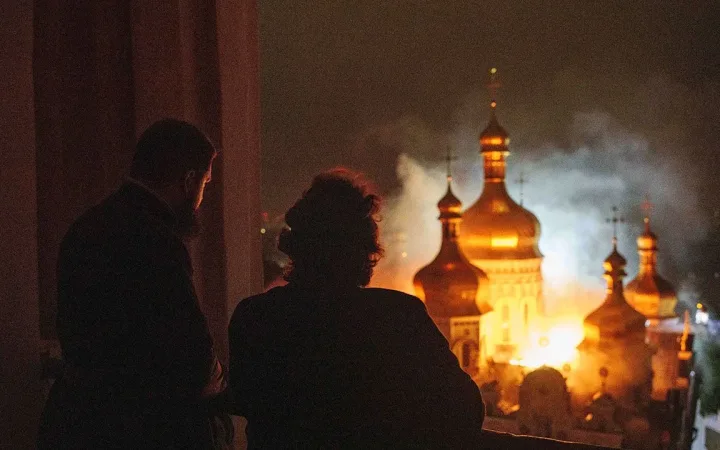
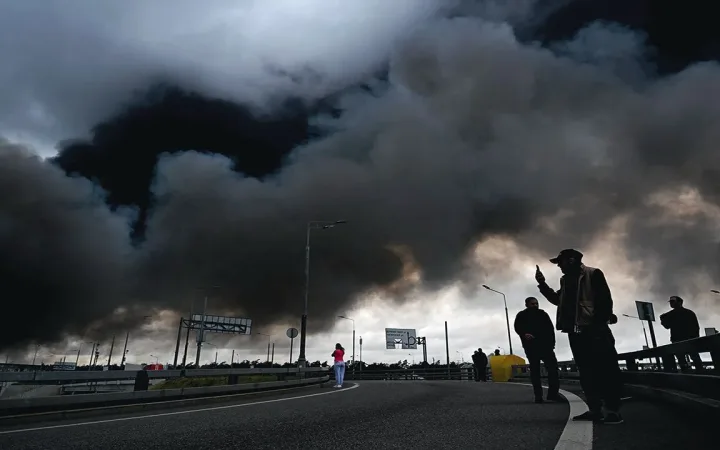
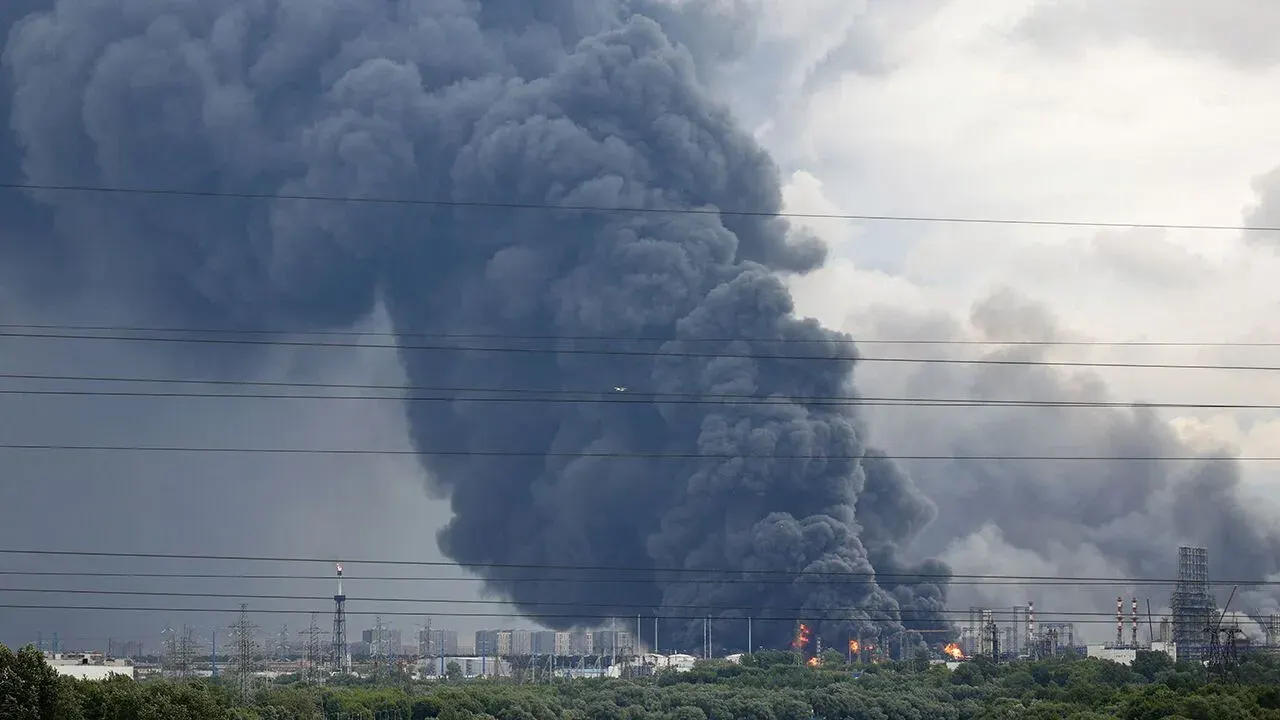
On June 18th, just after the agreement was concluded, Ukrainian drones hit an oil refinery on the south-eastern edge of Moscow, sending a vast plume of smoke over the Russian capital. Such feats attract attention in America.
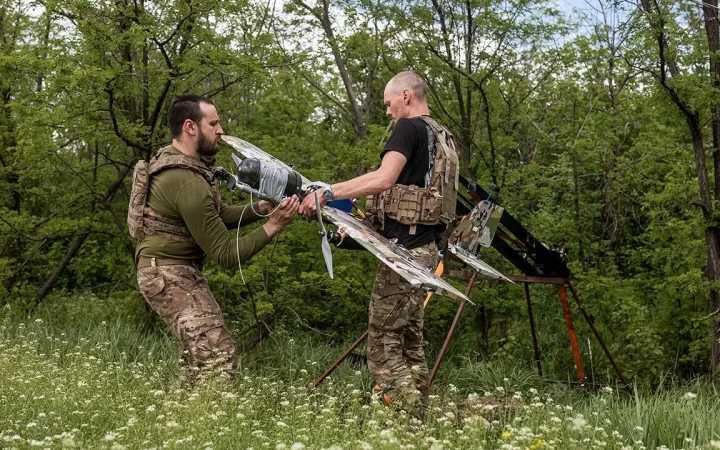
In May Dan Driscoll, the army secretary, said that Ukrainian battlefield integration outstripped that of the American armed forces. Later Pete Hegseth, his boss, admitted that America had “learned so much” from Ukraine’s drone operations. People near the White House sense an evolution in Mr Trump’s personal view, implying the war had been “humanised” for him.
“Trump got burnt by his Iran experience and now understands that without putting pressure on Putin he will not get what he wants,” says a former Ukrainian official. The spread of fuel shortages and drone anxiety inside Russia has reinforced that perception.
Ceasefire talks and Ukraine’s stronger hand
None of that signals that peace is near. Yet it may pry open a window that slammed shut this spring, now with Ukraine holding a better hand.
Early this year American, Russian and Ukrainian negotiators had provisionally settled on a roadmap toward a ceasefire in May. But the opportunity slipped away: the Iran war lifted oil prices and handed Russia an economic lifeline, while Ukraine’s expanding battlefield success made a disappointing settlement appear still tougher to justify to its electorate.
At present, The Economist understands, unofficial exchanges with Russia have restarted, and daily contacts continue between Ukraine and Mr Trump’s team. One concept being weighed is a ceasefire in two phases: first limiting hostilities to a 50-70km zone either side of the front line, then a broader agreement. Kyiv is also racing to rebuild its missile arsenal as those contacts continue.
A senior Ukrainian official says that Russia is unlikely to move before October, when it might want to hand Mr Trump a pre-election boost — “and get something back in return”. More likely, the Russians will play for time until next spring, betting that a devastating winter missile and drone campaign against Ukraine’s energy infrastructure could force it to make concessions. Ukraine is already racing to armour its grid before winter in anticipation.
Why a settlement remains distant
Barriers to any settlement stay daunting. Russia continues to demand what it calls the “Anchorage formula”, a set of understandings allegedly outlined with Mr Trump at the Russia-America summit in Alaska last summer. At that point Ukraine was weaker, and Russia was securing gradual though costly advances in Ukraine’s south-east.
The alleged understandings are secret and contested, but are said to consist of legal recognition of Russian occupation of the whole of Donbas and Crimea, alongside de facto recognition of the current lines in Zaporizhia and Kherson provinces. Those conditions are anathema to Ukraine.
Russia will also draw on the American president’s history of flip-flops, and the precedent he set by cancelling sanctions on Iran. It would be unwise to expect Mr Putin to give up on his war against Ukraine, or to think he will not use any new development, even a ceasefire, to further it.
Putin once tried to pretend the war was far away. He can’t do it when Russians can see the smoke with their own eyes.
Lana Zerkal · Ukrainian diplomat
Then again, a new picture is taking shape, and it is mostly the Ukrainians who are drawing it.
KEEP THE CONVERSATION GOING
A good story is worth sharing.
Send this story to someone who values the bigger picture.
See more from GlobeBriefly on Google
Choose us as a preferred source in your Google preferences.