Audio
Listen to the article
Reykjavik & Brussels
- On August 29th Icelanders voted narrowly against resuming EU accession talks suspended in 2013.
- Fishing quotas and access to Icelandic waters, plus farm subsidies and rural opposition, decided the Iceland EU referendum — not geopolitics.
- With 400,000 people already in the EEA and Schengen, the No underlines why richer neighbours like Norway and Switzerland stay out.
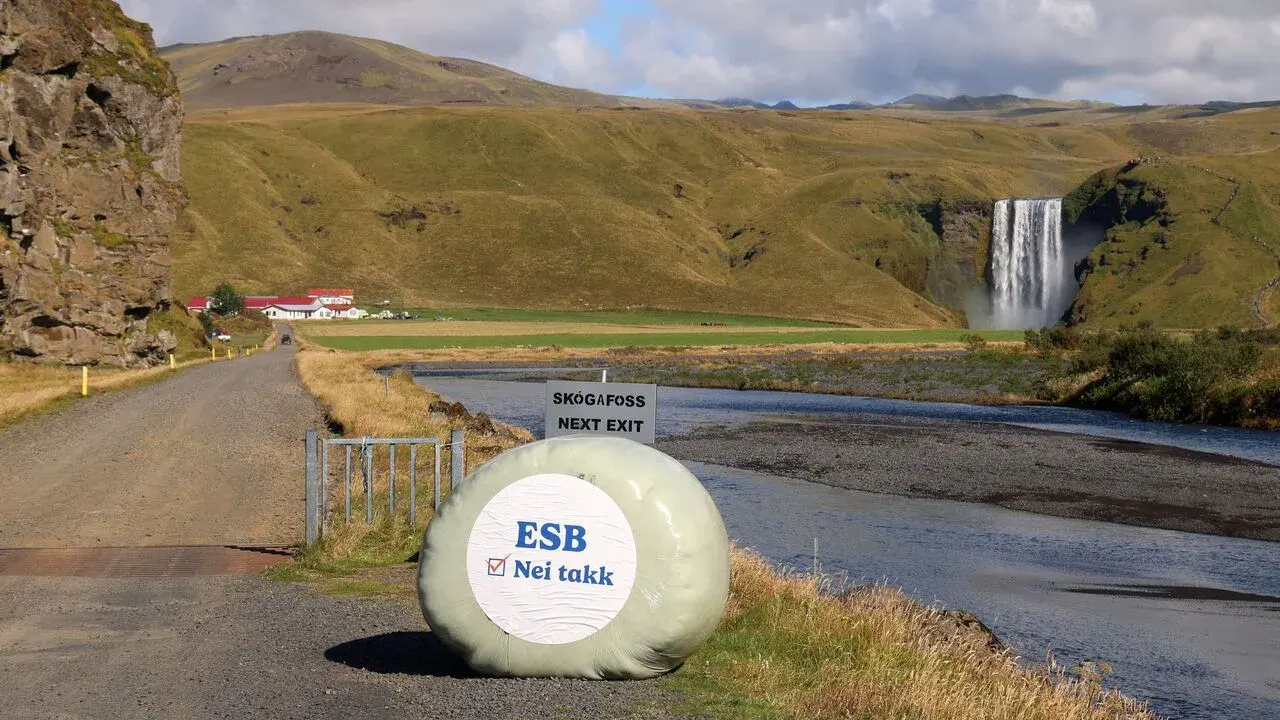
Early September is normally when Europe’s bureaucracy returns sun-tanned from holiday for the rentrée. This year’s return was spoiled by a startling rebuff from the middle of the Atlantic. In the Iceland EU referendum on August 29th, voters decided by a slim margin against restarting negotiations on joining the European Union. The result delivered an unwelcome jolt to Brussels insiders used to debating how fast newcomers might arrive, not hearing “no thanks.”
Share of goods exports from fishing
Iceland’s population — 0.1% of EU total
Referendum on resuming EU talks
Why geopolitics did not decide Iceland’s EU vote
Foreign observers had assumed security would shape the vote. War is raging in Europe and neighbouring Greenland is coveted by Donald Trump, the American president whose ambassador in Reykjavik once joked that the two islands could become America’s 51st and 52nd states.
Most states able to secure themselves through alliances are doing exactly that. Sweden and Finland joined NATO shortly after Russia invaded Ukraine. Ukraine has applied to join both NATO and the EU, and Canada — another country Mr Trump imagines as a future American state — is trying to get closer to the bloc. Iceland, already a NATO member, might have seemed an obvious candidate for the EU as well.
Yet every referendum is fought on home ground, and domestic issues dominated the ballot.
Fish, farms and a rural-urban split drove the No
Iceland’s fishing industry, which accounts for almost 40% of the country’s goods exports, spearheaded opposition to EU membership. Fishing interests had derailed the previous plan to join the union in 2013, after the country suffered a crippling financial crisis. This time they made the same argument: EU rules would allow other countries’ vessels into Icelandic waters and impose catch caps that would hurt exports.
The campaign against joining was bolstered by a broader belief that Iceland can prosper on its own, and that existing arrangements with the EU — along with membership in NATO — are sufficient.
Fish were not the sole factor. Only inside Reykjavik, the capital, did most voters back restarting negotiations; everywhere else there was a clear majority against. Farmers fretted about competition and loss of government subsidies. Employers and some unions also stood against membership. That proved more convincing than the campaign in favour, which argued that a tiny island nation needs formal membership in a wider union to thrive.
Why Brussels will shrug — and why the rebuke still matters
Brussels will certainly minimise the rejection. Iceland has only 400,000 people — fewer than any current member, just 0.1% of the EU population. It is already in the European Economic Area, a sort of outer tier of the EU, and forms part of Schengen, the bloc’s passport-free travel scheme.
The referendum was also only to reopen negotiations suspended in 2013 after a change of government. The renewed talks might have failed anyway.
Still, that will offer limited comfort to a union proud of its magnetism for outsiders. Ten countries with a combined population of 150m have formally applied to join the union, though talks with Turkey, the largest, have been frozen for years. All are poor, most have dysfunctional politics and one — Ukraine — is at war.
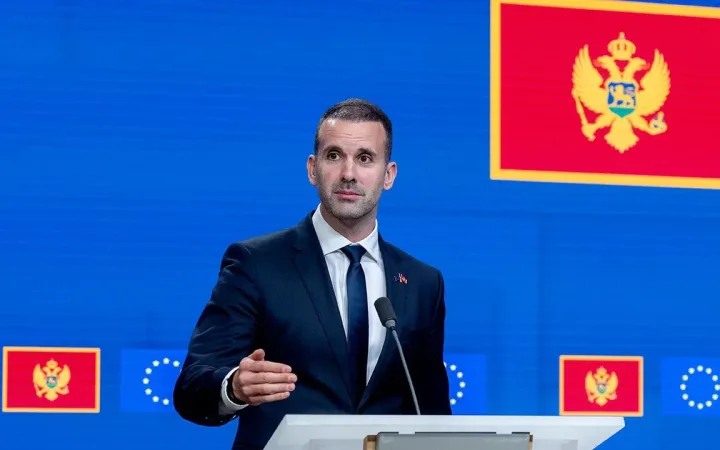
This weekend’s vote is a reminder that richer potential members such as Switzerland and Norway are in no rush to join. Montenegro hopes to join as the bloc’s next member, but its path remains uncertain. Brussels likes to contrast Mr Trump’s threats of absorbing neighbours with the EU’s own attraction, which supposedly has adjacent states clamouring for entry. Somebody neglected to inform Iceland.
This article appeared in the Europe section of the print edition under the headline “Cold shoulder” — From the September 5th 2026 edition.
Also in this section
Discover stories from this section and more in the list of contents.
Ukraine is racing desperately to counter Russia’s ballistic missiles
With Europe’s help, the country can limit the pounding but not eliminate it.
The Alternative for Germany has won its best-ever election result
But the hard-right could still fall short of forming a government in Saxony-Anhalt.
America has a whopping debt. But Europe has the whopping debt problem
The French-size problem at the heart of the EU.
Haakon VIII, Norway’s new king, has a big crown to fill
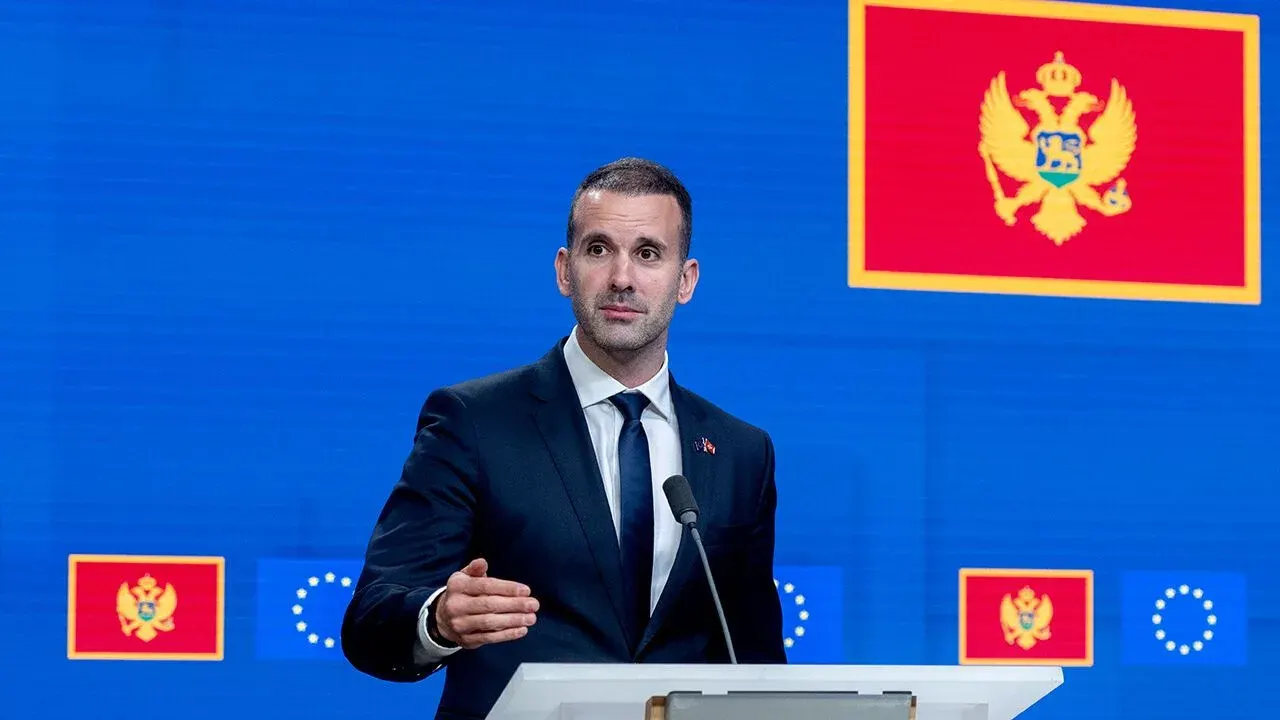
Tiny Montenegro still hopes it will be the EU’s next member
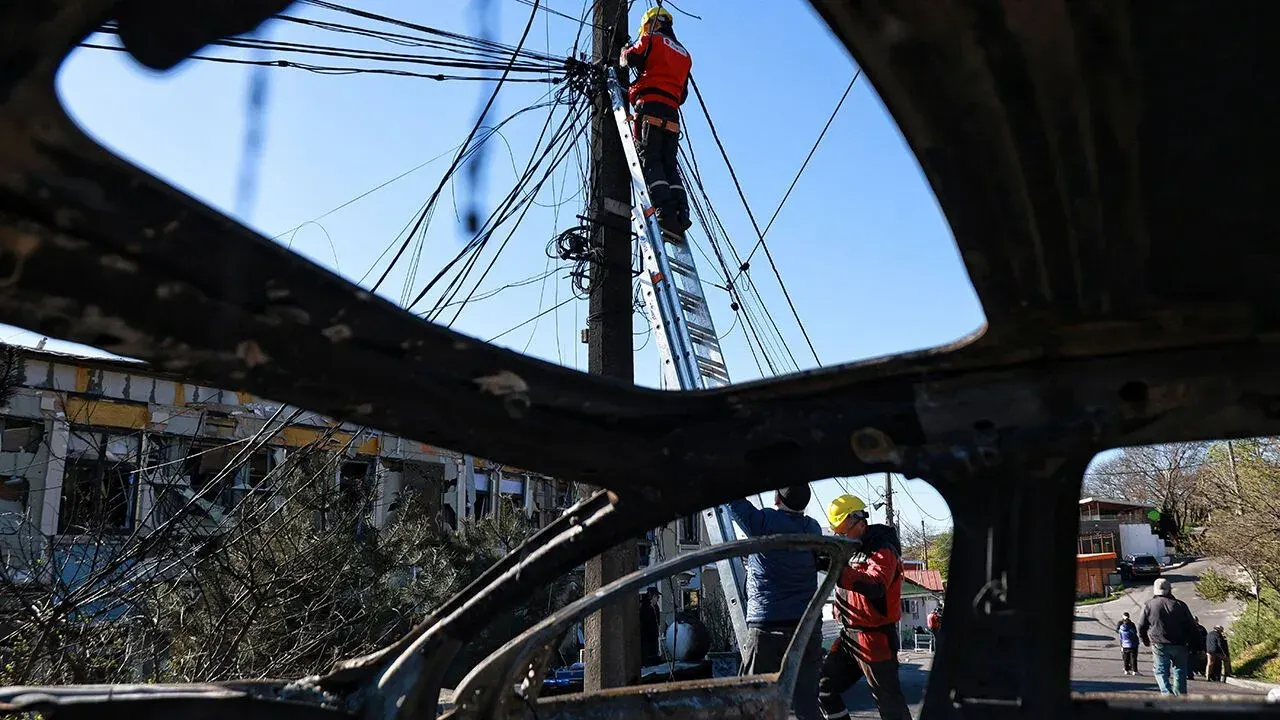
Ukraine is bracing for Russia’s hardest winter blitz yet
Sources
Referendum result of August 29th and suspension of EU accession talks in 2013; NATO membership and European Economic Area / Schengen status; figures on fishing and population as stated in article.
KEEP THE CONVERSATION GOING
A good story is worth sharing.
Send this story to someone who values the bigger picture.
See more from GlobeBriefly on Google
Choose us as a preferred source in your Google preferences.