Audio
Listen to the article
Tokyo
The Centrist Reform Alliance (CRA) launched amid lofty hopes. In January, two leading opposition blocs unveiled a union of their forces in Japan’s influential lower chamber before voters went to the polls, aiming to rival the governing Liberal Democratic Party (LDP). Under a year later the pact is being unwound.
- In January the centre-left CDP and Komeito formed the Centrist Reform Alliance in the lower house to challenge the LDP.
- The alliance underperformed, winning only 49 of the 167 seats its component parties had held; on August 28th it failed to agree a joint upper-house bloc and three days later signalled it would dissolve in the lower house as well.
- The disarray eases scrutiny of the LDP while creating space for insurgent populist movements.
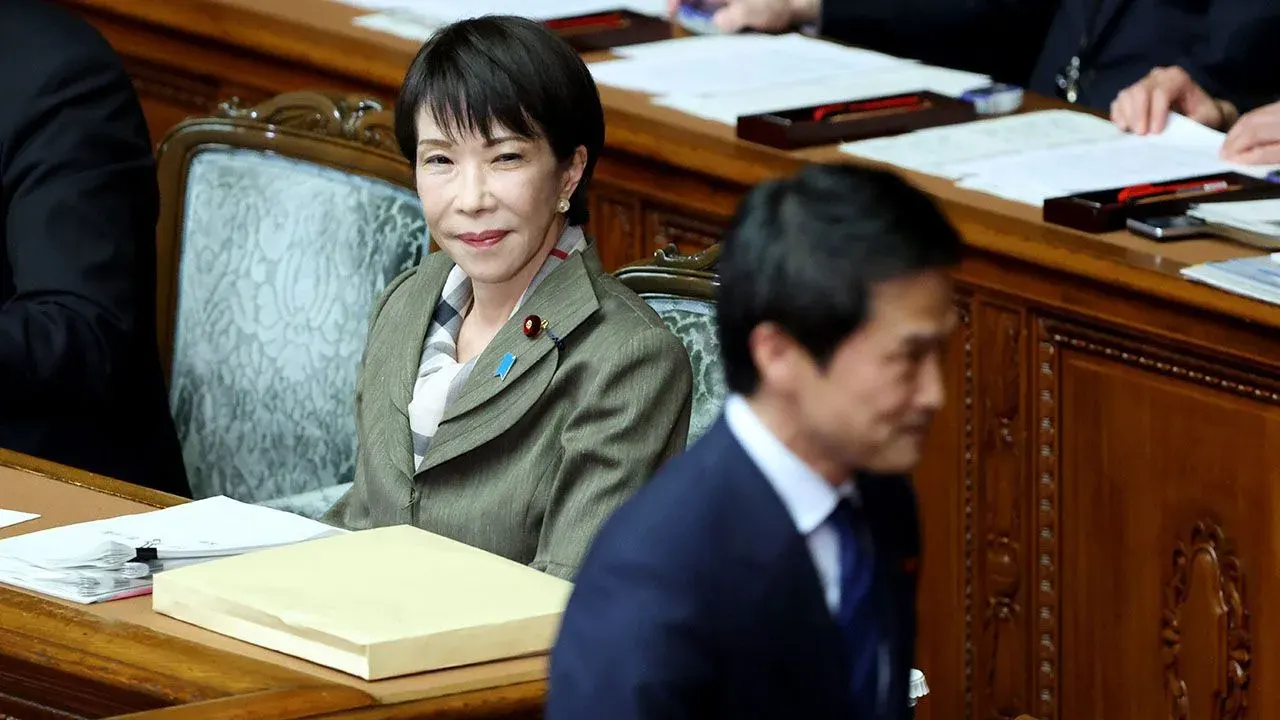
A January gamble that unravelled within months
Rather than vaulting the opposition into contention, the LDP prevailed while the CRA underperformed, securing only 49 of the 167 seats its component parties had controlled prior to the ballot.
On August 28th CRA legislators declared that agreement on combining in the upper chamber had proved impossible. Three days afterwards, the CRA signalled it would dissolve in the lower chamber as well, under a year since its creation.
An uneasy pairing that failed to renew the centre
The CRA did not resolve entrenched troubles facing Japan’s moderate opposition. It brought together the centre-left Constitutional Democratic Party (CDP), the principal heir to the opposition force that governed from 2009 to 2012, plus Komeito, previously allied with the LDP. Each has found it hard to promote new faces and to connect with younger electors.
That weakness reflects a longer history. The LDP has controlled Japanese politics since its establishment in 1955. When the Democratic Party of Japan (DPJ) stormed to office in 2009, it appeared to signal the arrival of two-party competition. Yet the DPJ ruled erratically. It had the misfortune to hold office when a massive earthquake and tsunami hit in 2011, setting off a meltdown at the Fukushima nuclear plant. That legacy has rendered its successor, the CDP, radioactive.
Why the pitch to the middle fell flat
Lately controversies have stained the LDP. The party shed many seats in votes during 2024 and 2025. Komeito abandoned its enduring partnership last October to protest the LDP’s shift rightward under Takaichi Sanae, the new prime minister. Through cooperation, the CDP and Komeito aimed to retake the political middle ground. They apparently sought to lure two of Ms Takaichi’s predecessors from more liberal factions of the LDP into switching sides.
Yet their appeal found little response among would-be partners or the electorate. To unite, the pair needed to dilute central convictions. As Ms Takaichi, the first female prime minister, radiated vigour, the CRA chiefs, two elderly men, appeared outdated. In an age dominated by social media, such veteran figures ought to have “let someone younger be at the front”, laments one CDP member.
Following the vote, the CRA did not sharpen its narrative. Most voters thought the two parties should go back to operating separately. That merger discussions broke down came as little surprise.
What the collapse means for the LDP and populist challengers
The disarray is set to ease scrutiny of the LDP while creating space for insurgent populist movements.
Nobody wished to board a sinking vessel, particularly one so tiny, says Nakano Koichi of Sophia University in Tokyo: “It’s not even the Titanic—it’s just small and insignificant.” ■
For exclusive coverage of Asian politics, economics and security, sign up to Asia Bulletin, our weekly subscriber-only newsletter.
KEEP THE CONVERSATION GOING
A good story is worth sharing.
Send this story to someone who values the bigger picture.
See more from GlobeBriefly on Google
Choose us as a preferred source in your Google preferences.