Audio
Listen to the article
Australia became the first country to prohibit social-media accounts for under-16s, and dozens of governments have since moved to copy it. The teenagers it was meant to protect have barely noticed. Harini Naidu had already tried limiting Wi-Fi and switching off the internet overnight to control her 14-year-old son’s screen time, so she welcomed the ban. Yet the measures, applied in December, “literally did nothing”.
Her son forfeited his YouTube login, though he continues viewing clips while signed out. Her daughter Ishana was 15, yet retained her profiles on X, Instagram, Snapchat and TikTok. “It’s so underwhelming that people have forgotten there’s a ban,” Ishana says. Neither of them even needed a virtual private network to conceal themselves.
- Australia was the first country to ban social-media accounts for under-16s. Dozens of others have imposed equivalents or are weighing a ban.
- Platforms removed, restricted or deactivated almost 5m accounts in the first month — yet 85% of under-16s said three months in that they still used banned platforms.
- Canberra wants to double fines to A$99m. Malaysia has switched to real IDs instead — and is missing its targets too.
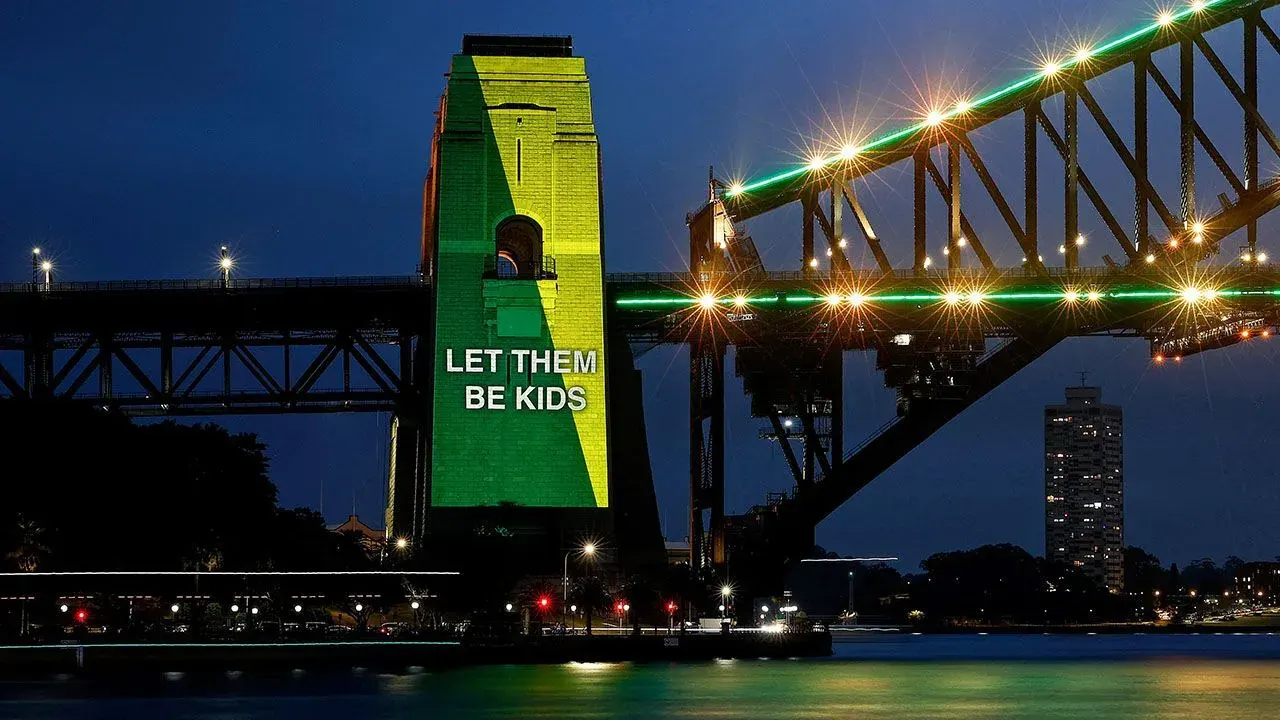
The ban is spreading well beyond Australia
What teenagers such as Ishana encounter carries weight elsewhere as well. After Australia introduced its limits, dozens of countries have imposed equivalents, or weigh doing so. On August 24th New Zealand announced a planned ban. Officials fear social media inflict various harms on the young, and they recognise that prohibitions appeal to grown-ups. Many applauded on August 26th when Meta agreed to alter its products for under-18s in most American states, including a two-hours-per-day limit on their scrolling, after settling a lawsuit alleging its platforms harm youngsters.
Almost 5m accounts removed, and little change in behaviour
Even so, Australia’s approach has so far shown itself largely without effect. Initially Canberra could point to early wins: social-media platforms had removed, restricted or deactivated almost 5m accounts in the first month. And it may be too early to write off the effectiveness of Australia’s new rules. But research has indicated minimal change to behaviour to date. One study in the British Medical Journal in June found that, three months after restrictions were introduced, 85% of under-16s said they still used banned platforms. Twelve- and 13-year-olds spent the same amount of time on social media as before the ban. Fears that children migrate to alternative platforms, with lower safety standards, were mostly unfounded — but largely because so many remain on existing ones.
Accounts removed or restricted in month one
Under-16s still on banned platforms
Fine cap Canberra wants to double
How under-16s keep getting around the rules
Young Australians remain determined to stay connected. Some perceive a dare, Ishana notes, with under-16s who “want to use social media more because it’s banned”. Youngsters “know how to outsmart the system”, she says, including by creating joint accounts with friends, which she thinks confuses age-checking systems. Yet she reports several profiles bearing her genuine birth date that survived. Many under-16s have opened fresh accounts with an invented birth year. Others have supplied details belonging to parents or siblings.
Age checks that cannot tell a 15-year-old from a 16-year-old
Some fault technology companies for weak compliance. KJR, a software-testing company, recently opened 50 social-media accounts in Australia claiming the user to be 16. It said only one site did any verification, and all 50 accounts remained active. Canberra is seeking to strengthen its regime, including by doubling fines on offending firms to A$99m ($71m). It also wants to give Australia’s eSafety Commissioner power to make social-media firms hand over internal-usage data.
50
social-media accounts opened in Australia by the software-testing firm KJR, each claiming the user was 16. Only one site did any verification, and all 50 remained active.
Others attribute the policy’s ineffectiveness so far partly to flawed enforcement tools. Companies deploy assorted methods, including AI, to analyse posts and scan faces. But facial-age estimation software is not very accurate in distinguishing between, say, a 15- and 16-year-old. Lucina, a 15-year-old from the state of Victoria, says her face was scanned on Snapchat and she was told she looked 18.
“The policy hasn’t been tested because it’s been technically impossible to enforce.”
Tama Leaver · Curtin University, Perth
Real IDs: the fix some governments are now weighing
Mr Leaver believes other nations eyeing comparable statutes now decide the “only way to do this is to require people’s real IDs” — an official digital or physical identity card — when they sign up to social media. Malaysia, one of just a few other countries where Australian-style restrictions are in force, has opted for this method. L.S. Leonard, the chief legal counsel of Malaysia’s Communications and Multimedia Commission, the regulator, says its assessment indicated that this would be “much more accurate” than the age-assurance approach used in Australia.
- Platforms use assorted methods, including AI, to analyse posts and scan faces.
- Age is estimated by the platform rather than checked against an official identity document.
- Facial-age estimation struggles to separate a 15-year-old from a 16-year-old.
- Sign-up requires an official digital or physical identity card.
- Malaysia’s regulator says the method is “much more accurate” than Australia’s.
- Platforms have asked for time to make their systems adaptable.
Malaysia is missing its own targets
Still, Malaysia is also missing its targets. Mr Leonard says social-media platforms claim to have removed lots of under-age accounts, according to their own guidelines. But everyday experience is unchanged for most users, says Tricia Yeoh of the University of Nottingham’s Malaysian branch. Mr Leonard says platforms have asked for time to “make their system adaptable” for age verification; he expects everything “to be resolved” by January, after which non-compliers may be fined. Ms Yeoh, however, suspects platforms are worried about the risks of storing personal IDs on systems that could be hacked, or subject to requests from governments.
Why some governments reject outright bans
Some reject sweeping prohibitions such as Australia’s on the grounds that they excuse platforms from securing their services. Alternative incentives for companies are under discussion. Canada plans to ban platforms from allowing under-16s to have social-media accounts, but only until these apps meet a set of safety criteria. And there are hopes that Meta, after introducing limits for teens in most American states, will roll the same features out elsewhere, and that other social-media firms will follow suit.
What teenagers say the adults are missing
Young Australians feel adults underestimate them: Ms Naidu’s 14-year-old son says many teenagers already “know how to be safe online”. He avoids X, for instance, since it feels “very unfiltered”. He favours Reddit, which is “less unhinged”.
The Economist’s Asia Bulletin, a weekly subscriber-only newsletter, carries further coverage of Asian politics, economics and security.
KEEP THE CONVERSATION GOING
A good story is worth sharing.
Send this story to someone who values the bigger picture.
See more from GlobeBriefly on Google
Choose us as a preferred source in your Google preferences.