Audio
Listen to the article
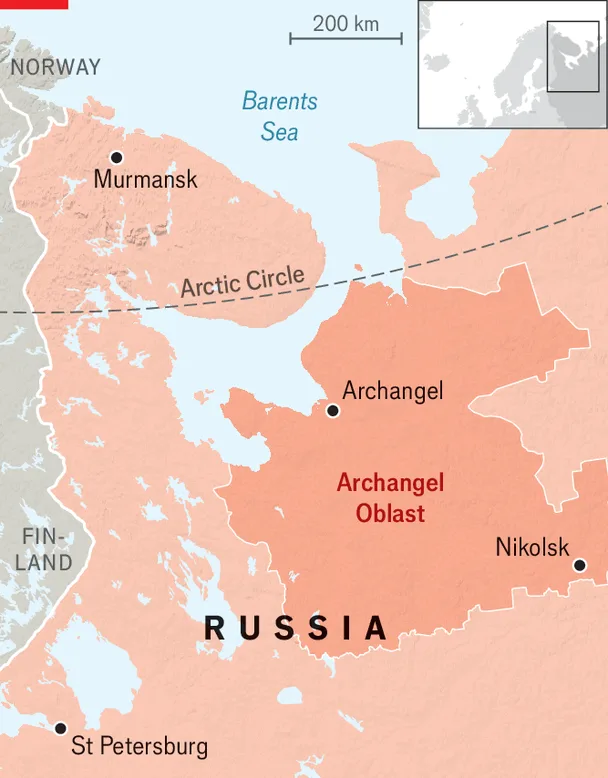
In the forests of Russia’s Archangel region, the village of Nikolsk grew while thousands of other villages died. Now its 700 residents are fighting to save their school after district officials proposed cutting its upper forms to save money — and openly blamed the war in Ukraine.
- Nikolsk has grown from 613 residents in 2010 to about 700 today, while Russia’s stock of rural schools fell from 45,000 to about 21,000 since 2000.
- District officials say ending the school’s upper forms would save 5m roubles ($67,000) a year, and the head of the district council told villagers there is a war.
- The Kremlin scrapped local self-governance last year, and the district chief said a survey of residents would not form the basis for the decision.
- Villagers forced the proposal off the agenda and are pushing for a binding referendum. The council refused on February 25th; court hearings began on April 9th.
Residents, up from 613 in 2010
Roubles a year saved by cutting upper forms ($67,000)
Rural schools left in Russia, down from 45,000
A prosperous exception
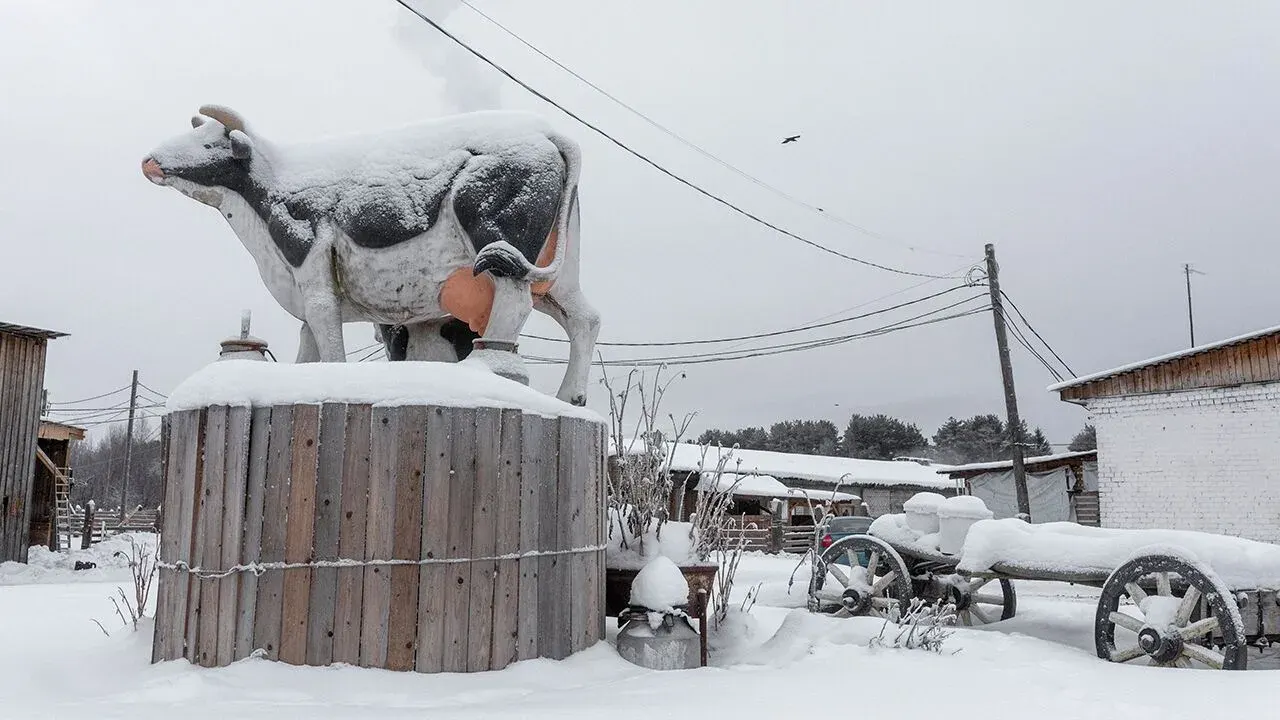
Nikolsk, birthplace of Russia’s northern fairytales, shows signs of relative prosperity. Its solid wooden houses are interspersed with new-build blocks of flats, and it has a kindergarten, a school, a clinic and a folklore museum.
Dmitry Brovin, the stocky 44-year-old owner of the farm that is Nikolsk’s biggest employer, calls himself a “hereditary peasant”: his father and grandfather were farmhands. He now owns 600 cows and thousands of hectares of land.
Mr Brovin returned to Nikolsk from St Petersburg in 2008, hoping to save his village from extinction. He took over the half-dead former collective farm where his grandfather had worked in Soviet times, secured loans and bought new equipment. His profits let him buy a bankrupt dairy plant, which now produces butter.
The average age of his employees is a reasonably young 42. Unlike thousands of dying Russian villages, Nikolsk has grown from 613 residents in 2010 to about 700 today. Local employers are recruiting workers; on Nikolsk’s outskirts 50 plots have been set aside for construction.
“We’ve lived here for more than 600 years, and we want to keep living here,” says Mr Brovin. “We believe in our future.”
A 5m-rouble cut blamed on war
Russia’s government, preoccupied with the “special military operation” in Ukraine, does not. Last year district officials, obeying the government in Moscow, said they intended to cut the upper forms at the school, often the first step towards closure. Mr Brovin says two employees who had planned to stay in Nikolsk and build houses are now considering leaving.
Nikolsk is trying to defy a trend. Since 2000 the number of rural schools in Russia has fallen from 45,000 to about 21,000. As schools have disappeared, so have the settlements they served.
In the past these closures could be explained by depopulation and a shortage of teachers. But more recently authorities have blamed strains on the state budget, as the government cuts spending on rural development and redirects money from welfare to warfare.
Olga Gomzyakova, the head of the district council, addressed a meeting of about 200 villagers in the school hall, called to explain the decision to end top-form classes.
“There is a war. No matter what it is called — a ‘special military operation’ — it is a war.”
Olga Gomzyakova · Head of the district council
Eliminating the upper forms would save 5m roubles ($67,000) per year, and students would have to travel 25km to school in the district’s main town. The villagers protested. “There’s money for the war, but not for us?” asked Alexander, a parent.
“You’ve already decided everything”
Until recently such decisions would have been made by the villagers themselves, but last year the Kremlin scrapped the system of local self-governance. Oksana Anikieva, the district chief, told the assembled villagers that since proposals to cut spending on rural schools come from Moscow, their opinion did not matter.
“We will of course survey citizens, but I warn you: it will not form the basis for the decision,” she said. “So when you tick ‘against’, don’t expect to succeed.” A murmur rippled through the hall. “Why did you call us here then, if you’ve already decided everything?” shouted a man from the back.
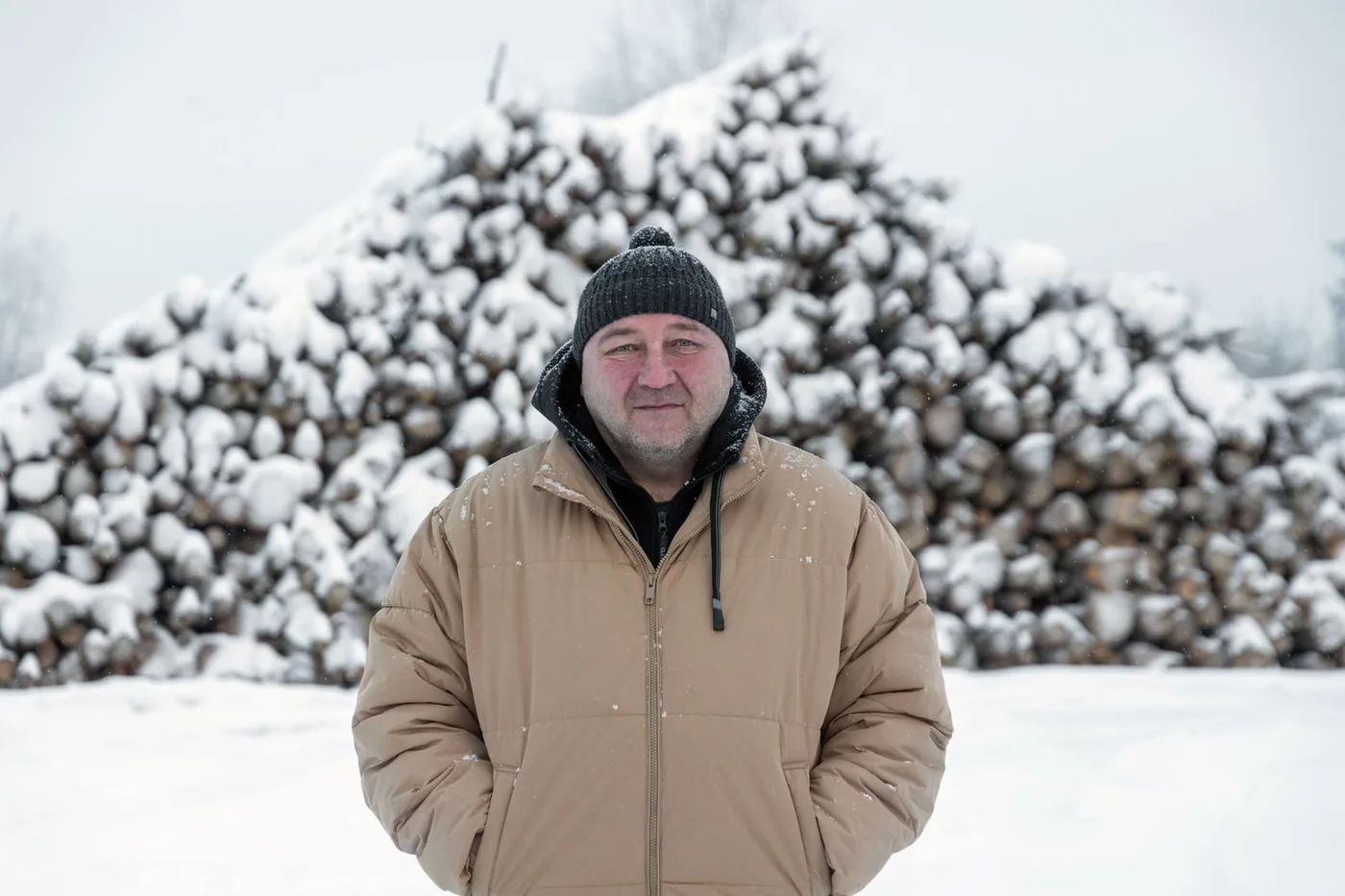
Igor Kobelev, a timber entrepreneur with a son in a senior form, was angered by the lack of respect. “When they come and say everything has already been decided for us — that’s when resistance begins,” he said.
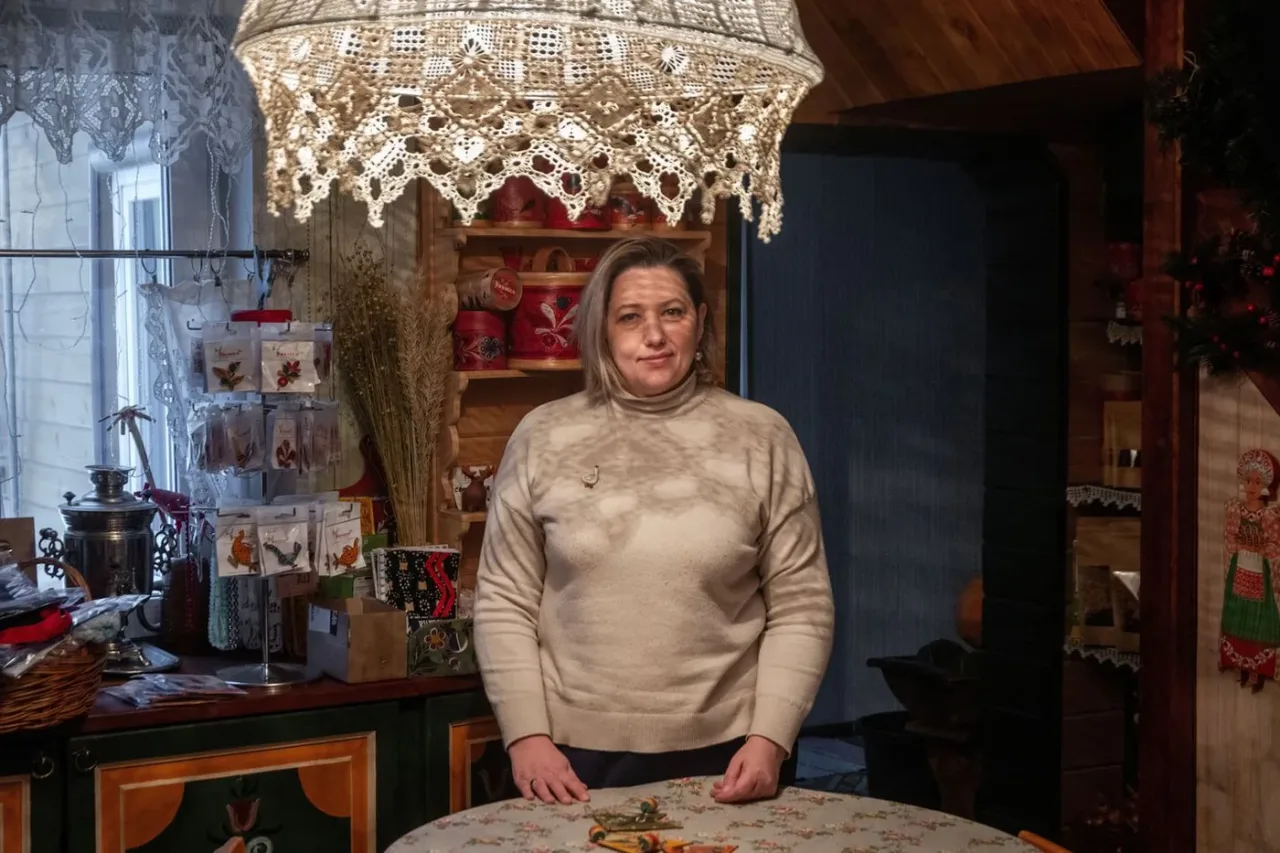
Nikolsk has a tradition of dissent: in the 17th century the village provided refuge to Old Believers, religious schismatics fleeing persecution. “People here have always resisted,” explains Tatyana Regush, founder of the folklore museum, which attracts 5,000 visitors a year — more than a municipal museum in the district centre — thanks to a summer folklore festival. At the meeting she called officials incompetent, and accused them of trying to make the successful villagers pay the price.
- Eliminating the school’s upper forms would save 5m roubles ($67,000) a year.
- The head of the district council told villagers there is a war, whatever it is called.
- The district chief said proposals to cut rural school spending come from Moscow and that a survey of residents would not form the basis for the decision.
- More recently, authorities have blamed strains on the state budget as welfare money is redirected to warfare.
- About 200 residents filled the school hall, where a parent asked why there is money for the war but not for them.
- At a gathering they unanimously declared they wanted to keep the school in its current form.
- Letters and emails to authorities and media outlets forced the district to take the proposal off the agenda.
- Residents say they are building the village’s future, developing businesses and not asking for help.
The referendum fight
After the meeting villagers began organising. At a gathering they unanimously declared they wanted to keep the school in its current form. Letters and emails to authorities and media outlets eventually forced the district to take the proposal off the agenda, though villagers know this is a tactical retreat.
“They can bring it back at any moment. We need to make sure they don’t even think of targeting Nikolsk again,” says Ms Regush.
Villagers want to hold a referendum whose outcome would be binding on district officials, a possibility that exists under Russian law. But on February 25th the council refused to authorise one, claiming, without explanation, that it would be illegal. The villagers challenged that decision, and court hearings began on April 9th.
Residents say they are building their village’s future, developing businesses and not asking for help. “Our land is very rich. It’s shameful to stand with an outstretched hand,” says Valentina Shulgina, a former teacher.
“We provide work for ourselves so we can live where we want and the way we want,” says Mr Brovin. “That’s why we will defend ourselves to the end.”
Upper forms are the senior classes at a Russian school; district officials proposed cutting them, a step described here as often the first move towards closing a school. Photographs in this article are credited to Alexey Dushutin; the map is credited to The Economist.
KEEP THE CONVERSATION GOING
A good story is worth sharing.
Send this story to someone who values the bigger picture.
See more from GlobeBriefly on Google
Choose us as a preferred source in your Google preferences.