Audio
Listen to the article
- Furious language in Congress has climbed 50% since 2013, after surging in the 1990s and easing in the early 2000s.
- Angry policy-linked sentences in voters’ tweets rose 35% and angry Reddit comments rose 46% between 2013 and 2025.
- Angry posts by members of Congress attract 59% more retweets, feeding a reinforcing loop of mobilisation and polarisation.
American politics is more enraged than at any point on record. Over the last two months alone, Donald Trump has labelled Democratic contenders “jihadists” and “radical lunatics”, ridiculed rivals for their weight and looks, declared his hatred of Adam Schiff, a Democratic senator from California, and dubbed James Talarico, the Democratic Senate hopeful in Texas, “Tal-a-freak-o”.
Former Republican allies have not escaped either, dismissed by him as “losers”. The president trades in hostility more aggressively than almost anyone, yet he did not invent the commerce in fury. Fresh scholarship places him inside a wider pattern of indignation now saturating national life.
What a century and a half of speeches and posts shows
Scholars at Harvard, HEC Paris, Paris-Saclay and the University of California, Berkeley, tracked the trajectory of political ire. They examined over a century and a half of floor speeches in Congress plus millions of social-media messages, coding emotional tone with artificial intelligence, including large language models and natural-language processing.
Every document received ratings across eight feelings — anger, sadness, pride, gratitude, fear, disgust, joy and hope — alongside a measure of total emotional intensity.
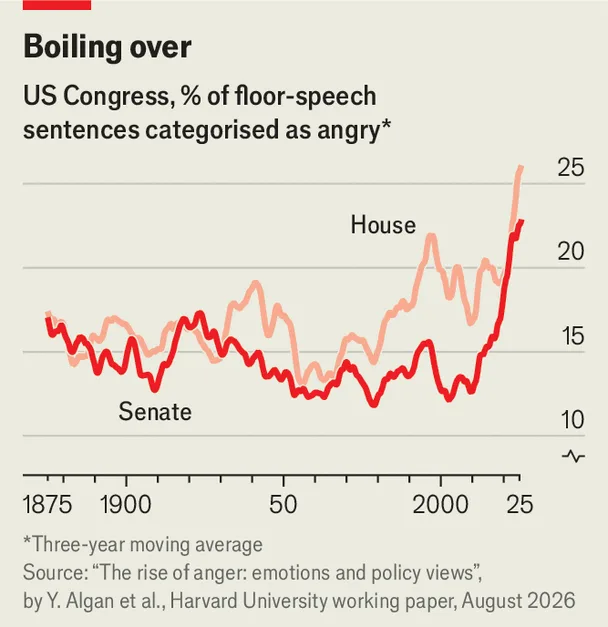
The study concludes that furious language in Congress surged under Newt Gingrich’s stewardship in the 1990s, then eased during the opening years of this century. Lately it has returned with force, climbing 50% since 2013 (see chart).
The electorate is incensed as well. Between 2013 and 2025, the proportion of policy-linked sentences conveying anger in voters’ tweets grew 35%. Among comments on Reddit, an internet forum, the increase was 46%.
Why anger keeps spreading
Its authors decline to blame the escalation on one single driver, though explanations abound. Steven Webster of Indiana University stresses intensifying partisanship. Data from Pew Research Centre show that since 2016 there has been a steep increase in Democrats and Republicans who do more than reject each other’s proposals — they regard people in the opposing party as immoral and dishonest.
The share of partisans reporting that the rival party leaves them “angry” rose by nearly 30 percentage points, reaching 76%, between 2016 and 2025.
“Regardless of where it starts, it is going to be a reinforcing feedback loop,” says Stefanie Stantcheva of Harvard University, who co-wrote the new research. She cites evidence that furious posts from members of Congress attract 59% more retweets than emotionally neutral ones.
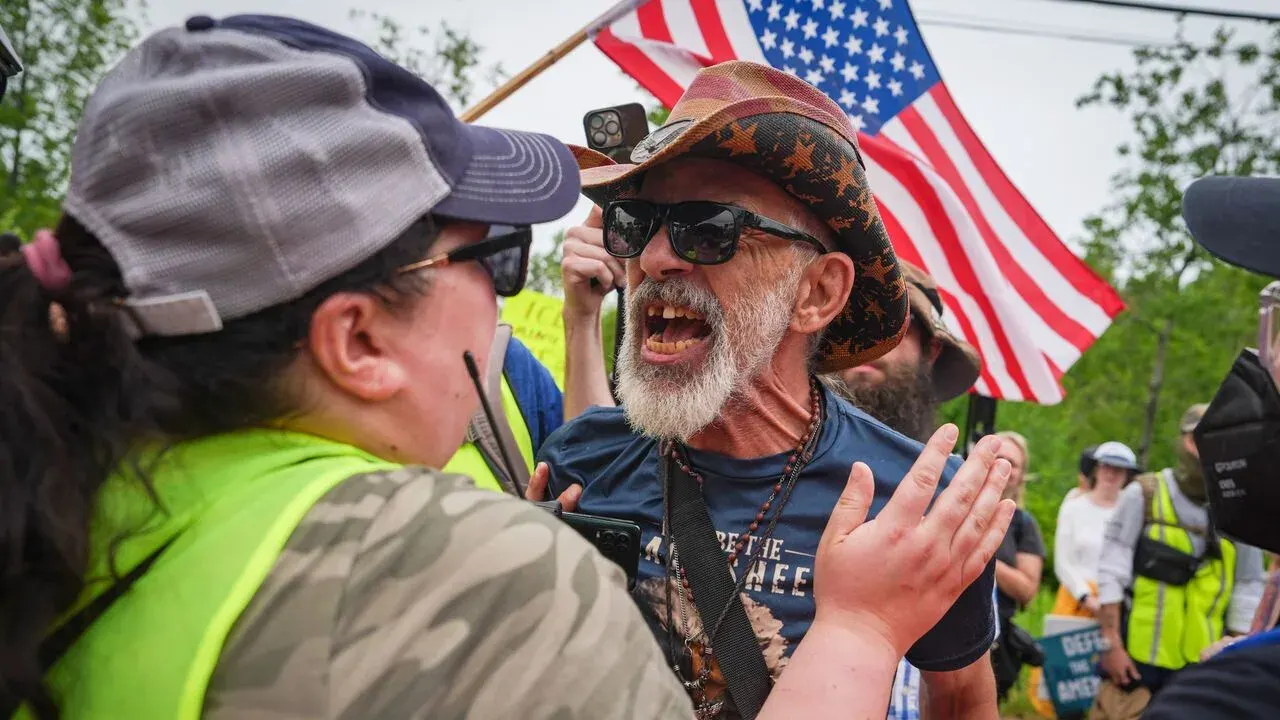
Anger mobilises electors better than other sentiments, fuelling a damaging spiral. Political scientists have documented how rage erodes confidence in government, deepens polarisation and weakens voters’ attachment to democratic norms, even when the original trigger for fury has nothing to do with politics.
Dr Stantcheva and her collaborators discovered that participants prompted with negative feelings turned cooler toward immigration and trade, while warming toward economic redistribution — possibly reflecting fury aimed at the wealthy. “When you’re angry, the categories you’re retrieving are grievance and blame,” she says.
How resentment is shaping the midterm campaigns
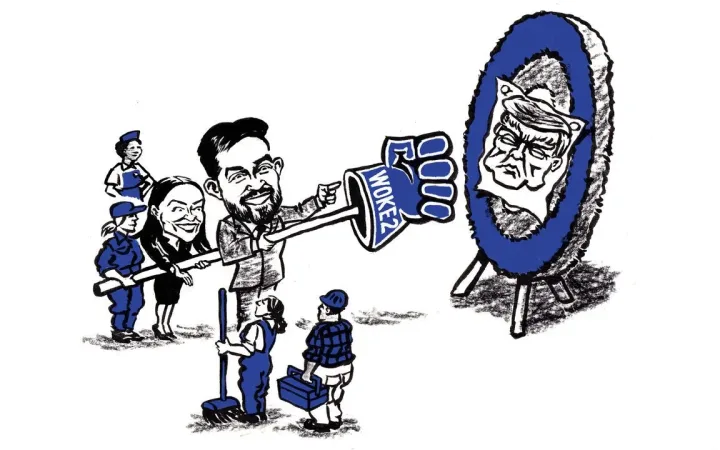
With midterm elections approaching, many contenders seeking the spotlight are putting resentment at the heart of their bids. In April the news site Axios reported that almost 50 Democratic campaign spots used the term “fighter” or “fight”. Bob Chew, an independent Senate aspirant in Colorado, has aired a spot depicting him hurling furniture around a room to convey his fury about affordability.
A small number of hopefuls are choosing another path. Josh Turek, a Democratic Senate hopeful, pledges he will be “fighting for Iowa”, yet also invokes “the need for hope and positivity”. Mr Talarico speaks of placing service ahead of selfishness.
Last year Zohran Mamdani captured New York’s mayoral contest by coupling populist platforms with unflagging cheerfulness. Americans remain upset — an expanding share say they desire change. Yet not all office-seekers believe a furrowed brow is the strongest way to promise it. ■
KEEP THE CONVERSATION GOING
A good story is worth sharing.
Send this story to someone who values the bigger picture.
See more from GlobeBriefly on Google
Choose us as a preferred source in your Google preferences.