Audio
Listen to the article
Eighteen months ago almost nobody expected Pete Hegseth to entrench himself at the Pentagon. The former Fox News presenter and outspoken culture warrior was confirmed as secretary of war by a narrow Senate vote while facing claims of financial mismanagement in earlier roles and excessive drinking, which he denied, and looked overmatched by the generals and admirals under his command.
- Pete Hegseth, confirmed by a narrow Senate vote despite controversy, has brushed past scandals and tightened control of the Pentagon.
- Army Secretary Dan Driscoll offered his resignation on August 31st after months of disputes over dismissals of senior officers and the Army’s direction.
- The purge — at least 24 flag and general officers removed — has left the Army without Senate-confirmed top leaders and put drone-era reforms at risk.
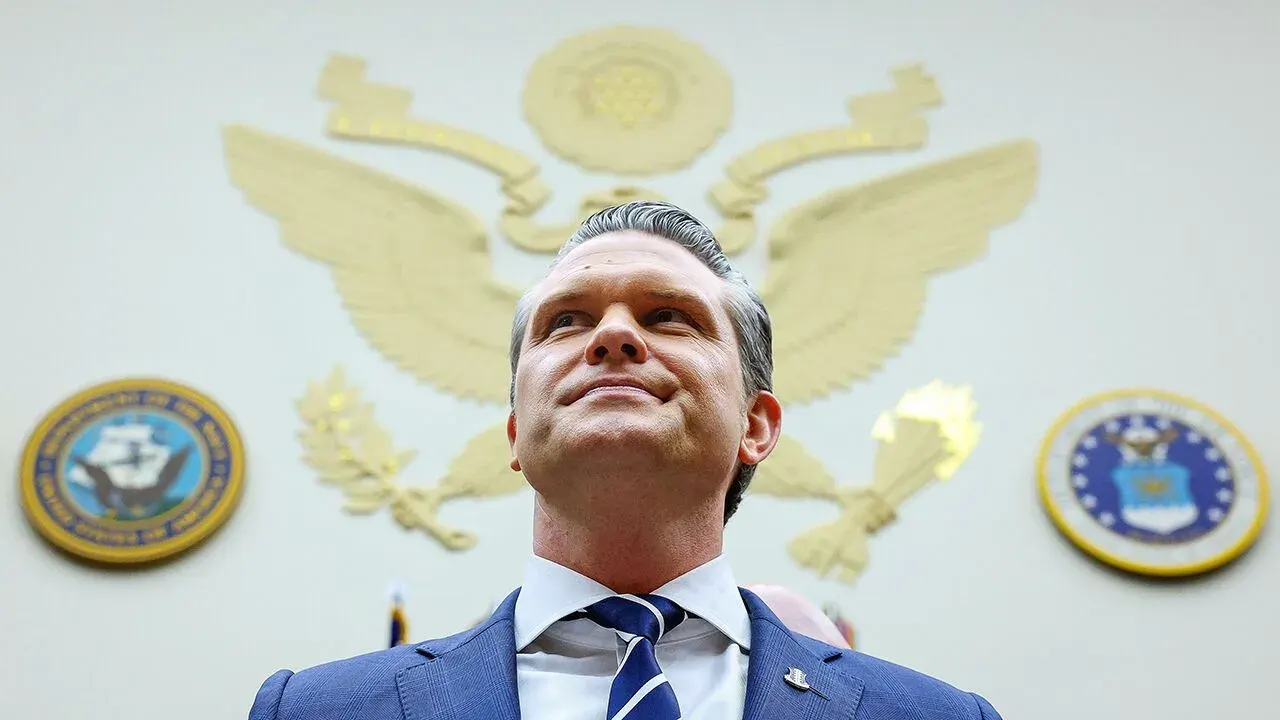
How an unlikely secretary entrenched his power
Since taking office, Mr Hegseth has brushed past controversies, whether over mishandled secrets or ordering lie-detector tests for subordinates. Rather than losing influence, he has imposed his authority on the department.
A continuing clear-out across the armed forces has removed competitors and anyone judged lacking in loyalty. The pattern has defined his tenure more than any single policy fight.
Why Army Secretary Dan Driscoll resigned
Dan Driscoll, the army secretary, has become his newest victim. On August 31st he offered his resignation to the president following months of disputes with Mr Hegseth about dismissals of senior officers and the direction of the force.
Broadly admired and seen as a shrewd moderniser, Mr Driscoll’s exit deepens doubts over the upheaval convulsing the Pentagon and over prospects for changes intended to adapt the army to the drone age.
His departure comes at a critical moment. Mr Driscoll, an ally of J.D. Vance, the vice-president, is thought to have restrained Mr Hegseth’s more belligerent impulses. He appealed directly to Donald Trump only days before quitting, underscoring worries across the Pentagon about growing pressure on the armed forces from the war in Iran and Mr Hegseth’s interference in personnel matters.
A purge that has hollowed out Army leadership
flag or general officers removed by Mr Hegseth since assuming the post as secretary of war, according to the tally cited in the report.
Mr Hegseth’s clear-outs have been striking. After assuming the post, he has removed at least 24 flag or general officers. Many seem to have been sacked for little more than their race, gender or ties to officers Mr Hegseth disfavoured.
A former national guardsman who attained the rank of major, Mr Hegseth has nursed a distinct animus toward the army, a body he says “spit me out”. In April he fired General Randy George, the army’s top officer and a figure with whom Mr Driscoll had built a tight bond.
Chris Donahue, who led US Army Europe and Africa, was pushed into retirement two months afterward when Mr Hegseth reduced the status of his command. Today the army lacks a Senate-confirmed chief of staff, secretary or commander for forces in Europe. Mr Driscoll’s deputy is also reported to be close to departing.
He prevented a number of officers from being fired or blocked.
Congressional aide on Dan Driscoll’s resistance to the dismissals
Mr Driscoll resisted where possible. Mr Hegseth’s recent decision to strike seven army officers from a slate of 18 endorsed for elevation to two-star general might have proved the last straw.
Drone-era reforms now at risk
Staff turnover has also damaged key modernisation projects supervised by Mr Driscoll. He played a leading role in the Pentagon’s drone-buying push — Mr Trump began calling him “drone guy.” In November he travelled to Ukraine, striking a technology partnership with its drone experts.
The praise Mr Driscoll drew is believed to have irritated Mr Hegseth, who appears eager to discard programmes linked to him and his supporters. A new army battalion created by General George to hone drone-warfare skills, for instance, is now being wound down by General Christopher LaNeve, the army’s acting chief of staff, who is close to Mr Hegseth.
A “back-to-basics” shift
General LaNeve favours what he calls a “back-to-basics” approach. Although that still involves acquiring fresh technology, heavier weight is being given to MAGA-style goals.
General LaNeve has presided over the pullback of army units from Europe and put stronger emphasis on the Western hemisphere. Mr Driscoll had additionally clashed with General LaNeve over moves to revise the army’s physical-fitness requirements, a persistent preoccupation for Mr Hegseth.
What Hegseth’s tighter grip means next
The secretary looks set to consolidate power even more. Sean Parnell, the Pentagon’s spokesperson, is broadly expected to succeed Mr Driscoll.
Much like his superior, Mr Parnell appears drawn to the culture wars. His inexperience leading sprawling organisations might complicate confirmation. Yet he could still fill the role on an acting basis.
Day by day, the Pentagon increasingly bears Mr Hegseth’s imprint.
Stay on top of American politics with The US in brief, our daily newsletter with fast analysis of the most important political news, and Checks and Balance, a weekly note that examines the state of American democracy and the issues that matter to voters.
KEEP THE CONVERSATION GOING
A good story is worth sharing.
Send this story to someone who values the bigger picture.
See more from GlobeBriefly on Google
Choose us as a preferred source in your Google preferences.