Audio
Listen to the article
Ottawa
- Donald Trump insists America holds the stronger hand; his treasury secretary says no country 13 times smaller can win a tit-for-tat.
- Canada disagrees: from September 8th it will levy duties of 15-50% on $20bn of American goods, chosen to hit politically sensitive states.
- Michigan, Iowa, Ohio, Maine and North Carolina — all with Senate contests at stake — face the sharpest exposure.
The logic driving Donald Trump’s trade confrontation with Canada is straightforward: the United States controls the stronger hand. “WE DON’T NEED CANADA, THEY NEED US,” Mr Trump wrote on social media on August 24th. Seven days later Scott Bessent, America’s treasury secretary, played down Ottawa’s countermeasures in similar terms. “I don’t think you can be in a tit-for-tat with someone who’s 13 times larger than you are.”
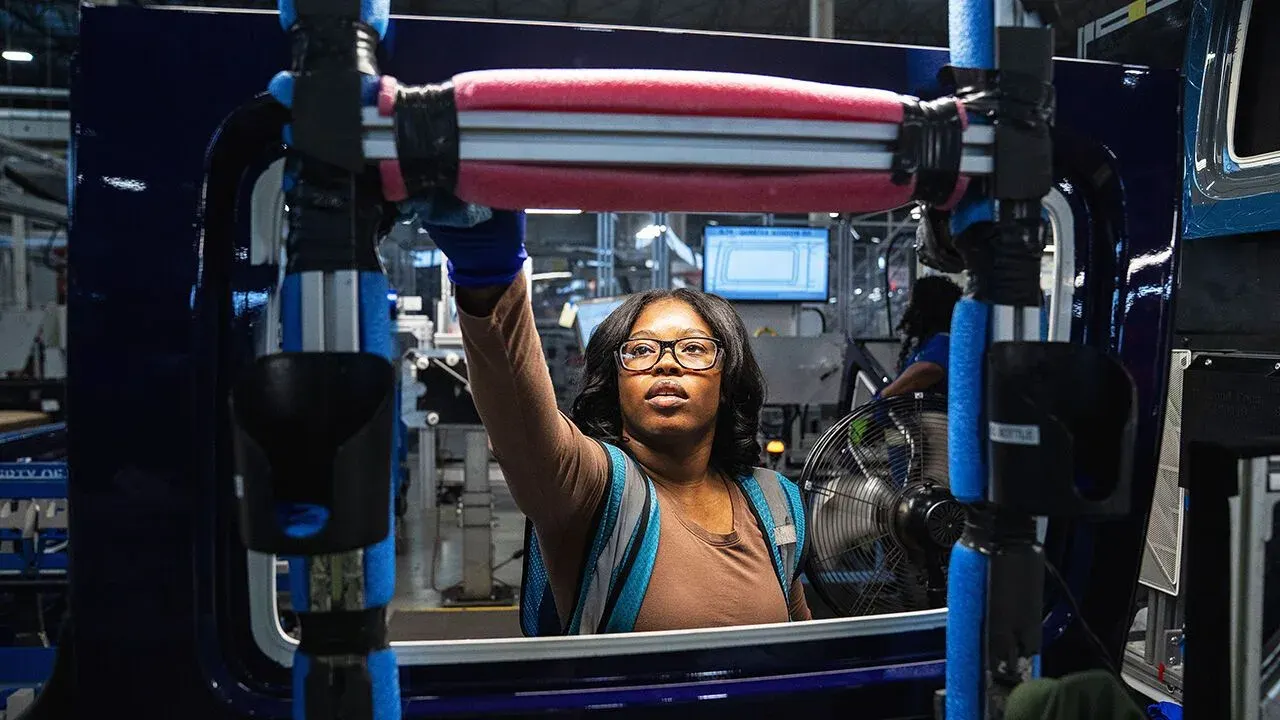
Yet that view understates how exposed America is to one of its largest trading partners. Bilateral trade in goods and services topped $870bn last year. Canada purchases about 15% of total American merchandise exports and ranks as the leading foreign buyer for 34 states. In auto production, components may cross the frontier multiple times before a car rolls off the line. Nationally, the commercial consequences of the dispute might appear modest. But for specific sectors and states, they are anything but.
Ottawa designed its counter-tariffs to inflict maximum political pain
Ottawa is consciously seeking to convert that economic integration into political pressure in America. In reply to American 50% duties affecting $20bn-worth of Canadian exports, it has assembled duties of 15-50% on $20bn-worth of American products, scheduled to start on September 8th. Steel and aluminium goods face some of the steepest rates, together with cheese and farm equipment. Automobiles will remain subject to Canada’s earlier counter-duties. “We are picking products that will target states,” said Mélanie Joly, Canada’s industry minister, on August 25th.
The damage lands where Senate seats are up
The approach is most visible across the Midwest. Michigan, Ohio and Iowa each have pivotal Senate contests — and each faces economic damage. Fresh 50% charges on steel and aluminium items will strike manufacturers in Michigan, while the broader clash squeezes the auto sector. In Iowa, tariffs on farm machinery will harm John Deere and other producers. Ohio, for its part, ships almost a third of its merchandise exports to Canada, leaving it especially exposed.
Ottawa removed seafood from its hit list, sparing lobster producers, yet much of Maine’s commerce stays deeply connected to its northern neighbour. Timber and paper goods, among other items, regularly move across the border for processing. Susan Collins, the Republican senator confronting a tough re-election fight, has described America’s tariffs as “a mistake”. Further south, 50% duties on furniture will batter North Carolina, home to another contested open Senate seat.
Republicans fear the politics of their own tariffs
Canadian retaliation is not the sole danger for Republicans. Mr Trump’s own import taxes will lift prices inside America. The newest actions span toys to metals and other industrial inputs, increasing costs for both foreign imports and domestically built goods. That carries political risk while affordability tops voter worries. Only 26% of Americans back Mr Trump’s tariffs on Canada.
Some Republicans are raising warnings. On August 24th Thom Tillis, the retiring Republican senator from North Carolina, cautioned that the dispute was fuelling “tension” in border states. “The party that owns that tension”, he said, “is the party that probably suffers the consequences in November.” Others dismiss Mr Trump’s depiction of Canada as an economic foe. “This is not China,” said Ms Collins two days later. “It’s Canada, our best friend, a country with whom our economy is completely intertwined.”
The damage could still expand
Jamieson Greer, America’s trade representative, has floated complete bans on certain Canadian products. Within Canada, additional steps are under debate, including limits on oil and critical-mineral shipments. Mark Carney, the prime minister, says he is answering an assault. Mr Bessent may be correct that America commands far greater firepower. That does not mean it will emerge unscathed. ■
KEEP THE CONVERSATION GOING
A good story is worth sharing.
Send this story to someone who values the bigger picture.
See more from GlobeBriefly on Google
Choose us as a preferred source in your Google preferences.